Nothing in pop culture is quite comparable to the phenomenon that is Twilight; since the release of Stephenie Meyer’s first novel in 2005, it has created a cultural frenzy, been panned by critics and, finally, experienced its own renaissance, successfully cementing the saga as a permanent cultural touchstone. Twilight has created some of the most diehard fans and staunch haters in all of literary and cinematic history. 20 years after the release of the novel that started it all, what is it about Twilight that has kept its fandom alive for decades, with no signs of slowing down?
Twilight notably came to Meyer in a dream. This appropriately sets the tone for the franchise as a whole, which, with each installment, begins to feel more and more like a fever dream. In the first novel, seventeen-year-old Bella moves to Forks, Washington and discovers a clan of vampires, including Edward. Forever frozen in time, Edward is a permanently-sullen teenager who, despite his commitment to a “vegetarian” diet of animal blood, is irresistibly attracted to the scent of Bella’s blood. The two fall in love, quickly, and within two years, the two get married, have a vampire-human hybrid daughter, face the nefarious council of vampire royalty, and broker peace between the vampires and their ancient enemies, the werewolves. By the last novel, which culminates in the final standoff between the Cullen clan and their werewolf allies and the royal council, the Volturi, it’s hard to remember that this is the same series that began with a high school romance. Meyer’s original novel was lauded for its portrayal of teenage love and angst, but this is quickly abandoned in favor of something much more fantastical and, at times, nonsensical.
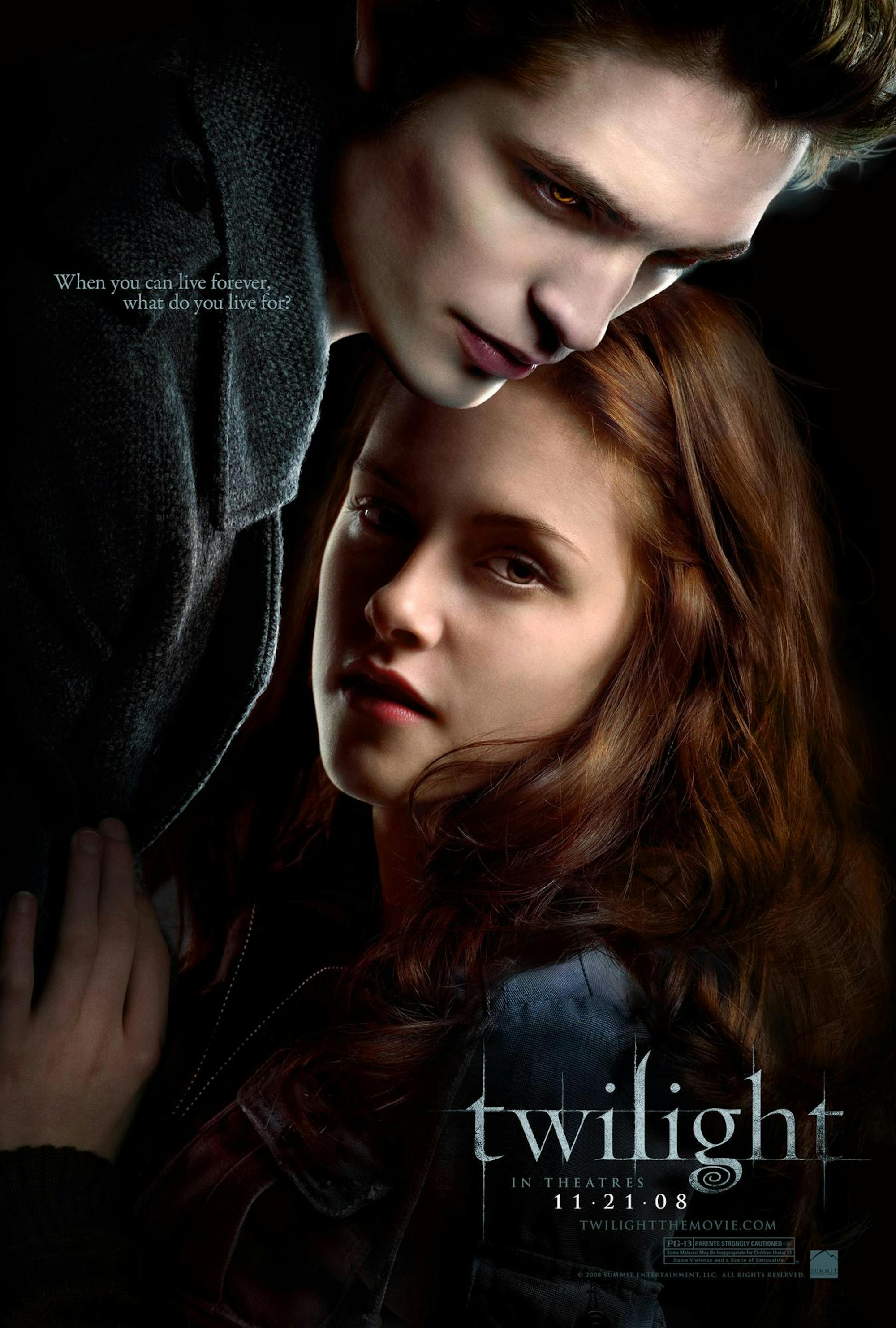
Somehow, however, Twilight has never lost its fanbase. Three years after the book’s release, the release of its film adaptation permanently secured Twilight’s place in pop culture. Twilight, the 2008 film by Catherine Hardwicke, might be better remembered than its source material. The blue tint applied over the entire movie, a genuinely great soundtrack and, of course, moments like the iconic baseball scene make the first Twilight movie a cult classic. They also turned Twilight into the sensation of the 2000s, mostly due to Kristen Stewart and Robert Pattinson’s performances. Twilight, the film, turned the franchise into a cultural touchstone, and has secured its place in the zeitgeist for years after.
During the COVID-19 pandemic, a few pieces came together to create the perfect storm that is the “Twilight Renaissance.” With an increased amount of freetime, many revisited comfortable childhood favorites, including the Twilight saga. In late 2020, Stephenie Meyer released “Midnight Sun,” a reimagining of the first novel from Edward’s perspective. Finally, and most importantly, in the summer of 2021, all five movies came to Netflix, making them more accessible than ever. The subsequent boom brought the Twilight saga to a new generation of fans and reignited a passion for the franchise in those who grew up with it. Perhaps most special about Twilight is its mass appeal, across generation lines.
I first fell in love with Twilight sometime in early 2020, a few months before the Twilight renaissance. I watched all five movies in rapid succession and quickly moved onto the books. My taste in media tends to be a bit pretentious, so my sudden (and lasting) obsession with one of the most made-fun-of franchises of all time came as a surprise, even to myself. There’s something deeply endearing about Twilight that has successfully drawn in each friend and family member I’ve forced to watch the movies with me. No matter what it is, we as a culture are unable to look away, and have been stuck in the Twilight vortex for two full decades. You’ll hear no complaints from me. As campy and ridiculous as the franchise is, my love for Twilight is more than ironic.
20 years on, the Twilight fandom has turned into one of my favorites. I’ve spent much of the last week in the Twilight anniversary livestream, which plays all five films on a constant, 24/7 loop, chatting with, at times, 10,000 other “twihards.” This anniversary has cemented, for me, that Twilight has made it through its time of so-called “Twilight mania,” through a period of intense hatred and vitriol, out the other side to a fandom that shares a love for Twilight that is part ironic, part genuine. 20 years later, it shouldn’t be embarrassing to admit that parts of Twilight are genuinely good and that the saga has cemented itself in pop culture not just because of its so-bad-it’s-good parts, but because there’s something genuine at the heart of it all that has spoken to audiences for two decades, and, I suspect, will continue to reach new audiences for years to come.
Nicholas York is a junior in the School of Arts and Sciences. He can be reached at nay22@cornell.edu.
Nicholas York is a member of the Class of 2027 in the College of Arts and Sciences. He is a columnist for the Arts & Culture department and can be reached at nyork@cornellsun.com.