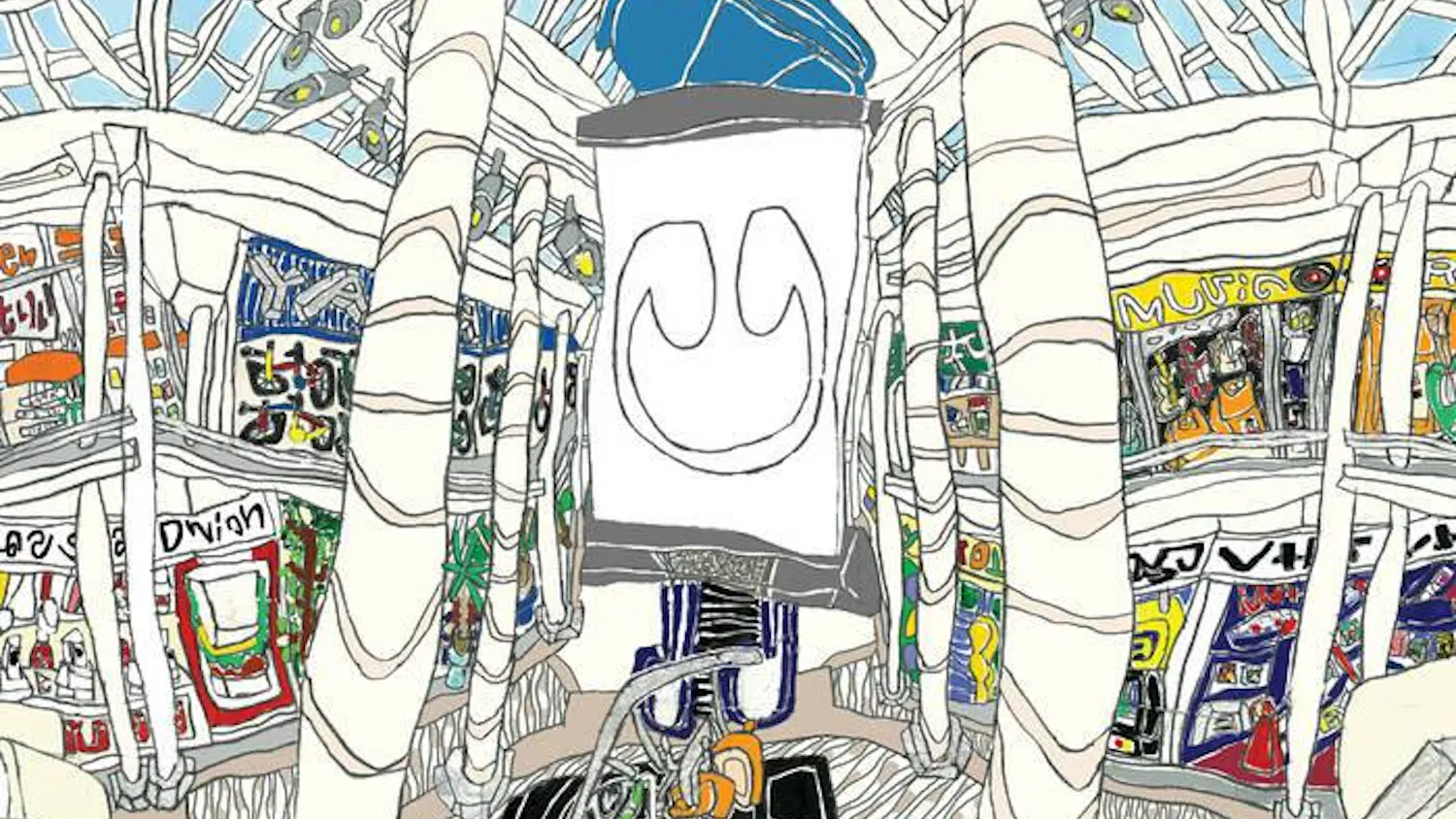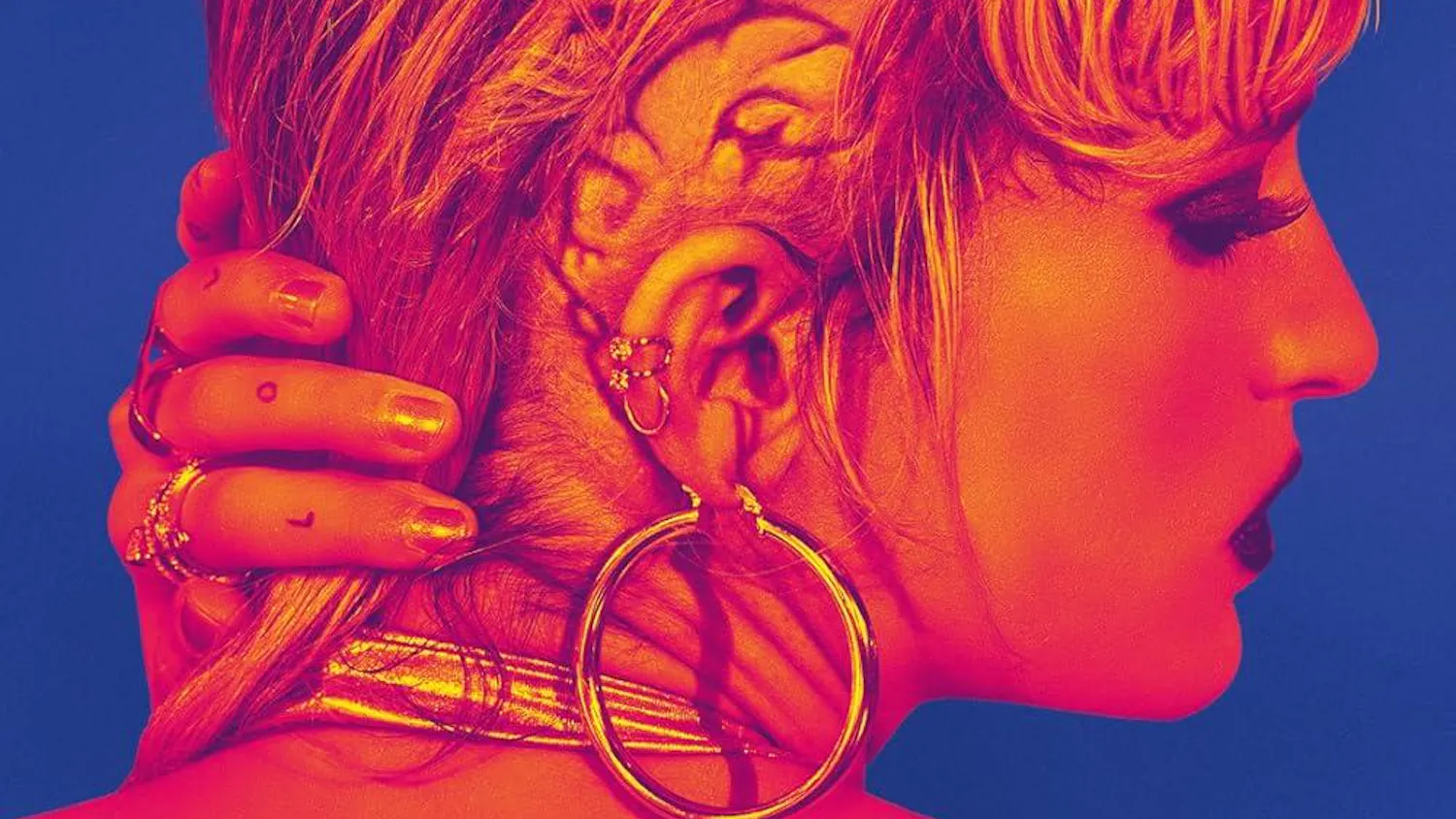
When the 68th Annual Grammy Awards airs on Feb. 1, 2026, Bad Bunny will be walking into the arena having already made history before a single envelope is even opened, because for the first time in the Grammys’ history, a Spanish-language artist has been nominated across all of the “Big Three” categories in the same year. Just a few years after Un Verano Sin Ti became the first Spanish-language album ever nominated for Album of the Year, Bad Bunny has done it again: his newest project, DeBÍ TiRAR MáS FOToS, is up for Album of the Year, and its title track, “DTMF,” earned nominations for Song of the Year and Record of the Year. The artist also received three more nominations: Best Música Urbana Album, Best Album Cover for DeBÍ TiRAR MáS FOToS and Best Global Music Performance for his track “EoO.” And while these six nominations are a landmark moment for Latin music history, they’re also a reminder of how overdue this recognition truly is.
Spanish is the second-most frequently spoken language in the United States, Latin music is the fastest-growing genre in the country –– generating $1.4 billion last year –– and Bad Bunny holds the record for the most streamed album in Spotify history with Un Verano Sin Ti. My 50-year-old, devoutly Catholic, immigrant mother knows who Bad Bunny is. Not much further evidence is needed to show that Spanish and Latino culture have become increasingly visible in mainstream American culture. More proof can be seen from SNL’s recent El Chavo del Ocho sketch, to the explosion of Spanish-immersion schools that the wealthy pay hundreds for, to Bad Bunny’s own upcoming Super Bowl halftime show; but this visibility has always existed alongside intense anti-Latino sentiment and policy, which has only escalated with the current Trump administration. And thus a dystopian paradox emerges: as Bad Bunny tops global charts, Latinos are torn from their families in ICE raids. As his songs go viral on TikTok, native Spanish speakers are harassed in grocery stores and classrooms. As Amazon, Etsy and Shein profit off knockoff Bad Bunny merch, Latinos are detained simply on the basis of being brown in a white nation. Bad Bunny’s success is not happening despite this political backdrop but is rather happening in conversation with it.
Bad Bunny has never shied away from using his platform to address injustice, and DeBÍ TiRAR MáS FOToS is arguably his most political work yet. The 17-track album resurrects distinctly Puerto Rican folk traditions born from generational African and Indigenous rhythms and resistances, through its use of música jíbara, plena and bomba, to mourn a gentrifying Puerto Rico. In “LO QUE LE PASÓ A HAWAii,” Bad Bunny openly aligns himself with the Puerto Rican independence movement, imagining an island free from U.S. imperialism and Spanish colonialism. The album’s defining political moment, though, is its accompanying short film with acclaimed filmmaker Jacobo Morales, who wanders through his transformed neighborhood in disbelief as it becomes overwhelmed by tourists and wealthy Americans. However, Bad Bunny's advocacy didn’t just start with this latest album. By intentionally conducting interviews in Spanish primarily, refusing to tour in the U.S. out of concern over potential ICE immigration raids at concert venues and using Un Verano Sin Ti to speak out against the privatization of Puerto Rico’s power grid following Hurricane Maria, the artist has always centered Latin American issues in a Eurocentric media landscape. This was further reflected in his acceptance speech for Album of the Year at the 2025 Latin Grammys, as he dedicated the award to the youth of Puerto Rico: “Nunca dejen de soñar y ser ustedes mismos; nunca olviden de dónde vienen. Hay muchas maneras de hacer patria — nosotros escogemos la música.” ("Never stop dreaming and being yourselves; never forget where you come from. There are many ways to show patriotism — we choose music.")
U.S. mainstream media consistently seeks the Latino culture for monetization but rejects the struggles of the people behind it. Bad Bunny’s intensely political body of work refuses that separation; his success has forced audiences to confront the very issues they’ve long ignored. Latino culture and Latino realities cannot be erased, not by policy and certainly not by prejudice, as our roots run deeper than the colonial borders drawn over them. Bad Bunny’s Grammy nominations are a reflection of the world he, and countless Latino advocates, have worked to reshape. If he wins it will be more than a personal victory for him, it will also be a symbolic rejection of right wing political forces and anti-immigration sentiments and a giant slap in the Trump administration’s face that I will thoroughly enjoy.
Bad Bunny is my immigrant mother’s favorite artist (second only to Los Tigres del Norte), a global icon, a cultural historian and an advocate; but above all, he is proof of the power of our communities and his nominations are a call to uplift Latino voices and issues and fight against the violent rhetoric of the current presidential administration. Call this radical, I’ll consider it basic empathy nonetheless.
You can tune into the 2026 Grammy Award Show, live from the Crypto.com Arena in Los Angeles, on Feb. 1st on the CBS Television Network and Paramount+.
Leslie Monter-Casio is a sophomore in the Jeb E. Brooks School of Public Policy. They can be reached at lm953@cornell.edu.

Leslie Monter-Casio is a member of the Class of 2028 in the Brooks School of Public Policy. They are a staff writer for the Arts & Culture department and can be reached at lmontercasio@cornellsun.com.