A few weeks ago, my Introduction to Japan class covered the history and legacy of the Pacific War, specifically focusing on its memorialization in the media. We spent a good portion of lecture time learning about film’s capacity to create worlds that are understood as “truth,” especially when reality feels impossible to confront. Less than a decade after the Pacific War, the release of Godzilla (1954) in Japan voiced fears of atomic bombing and the effects of radiation on the populace. Anxieties of nuclear destruction took the form of a super-sized lizard wreaking havoc on the Japanese people, destroying everything in sight with its radiation breath and spiky appendages. Considering its proximity to the war, the film transmuted post-war trauma into a fantasy horror medium that felt processable at the time.
Intrigued by Godzilla’s cinematography and historical inflections, I immediately went home to watch the film for myself. One thing led to another, and I spent that night going down rabbit holes of old films with similarly distinct political and social commentary. I hit my stride once I began to delve into neo-gothic cinema and the genre’s historic use of eerie dreamscapes and alternate realities to comment on contemporary social anxieties. That weekend, I watched Nosferatu (1922) for the first time and immediately realized that the 2024 rendition of the film had left me with a completely different sense of impending doom than its predecessor. Whereas the 1922 version felt more distant in its emphasis of Germany’s post-war trauma and economic struggle, scenes of a convulsing Ellen (Lily-Rose Depp) in the 2024 version hit me with the kind of fear that felt so close it practically breathed down the back of my neck.
Naturally, my newfound obsession with all things gothic led me to the present day. It’s practically impossible not to notice the significant influx of gothic cinema across the globe and not wonder what’s triggering it. After all, cultural hubs have a tendency to spring up around collective memory and the practices of keeping that memory alive, whether that be through art, music or in our case, film. In the past two years alone, starting with Poor Things in 2023, an explosion of gothic horror has begun worming its way into mainstream media. Converging with the ethereal gloom of modern literature, music, clothing and “dark academia” aesthetics on the Internet, the neo-gothic film of today relies on bone-chilling beauty to create spaces for commentary that appeal to the masses. After a decade dominated by millennials’ obsession with all things minimalist, gothic’s ornate visual world feels exciting and new again. The chiaroscuro lighting, heavy costuming and devastatingly beautiful set design offer a refreshing alternative to the bare bones cinematography that we’ve grown accustomed to in recent years.
Particularly unique to contemporary gothic cinema is its fascination with the beautiful monster archetype. Morally grey protagonists and oddly charming villains toe the line between terror and all-too-familiar feelings of desperate desire. Despite their flaws and moral inversions, the likes of Count Orlok (Bill Skarsgård) in Nosferatu (2024) and Dracula in Dracula: A Love Tale (2025) have received no shortage of love and fanfare on social media. I mean, come on, how could you not root for an ancient king that denounces death just to wait for his lover’s reincarnation 400 years later?
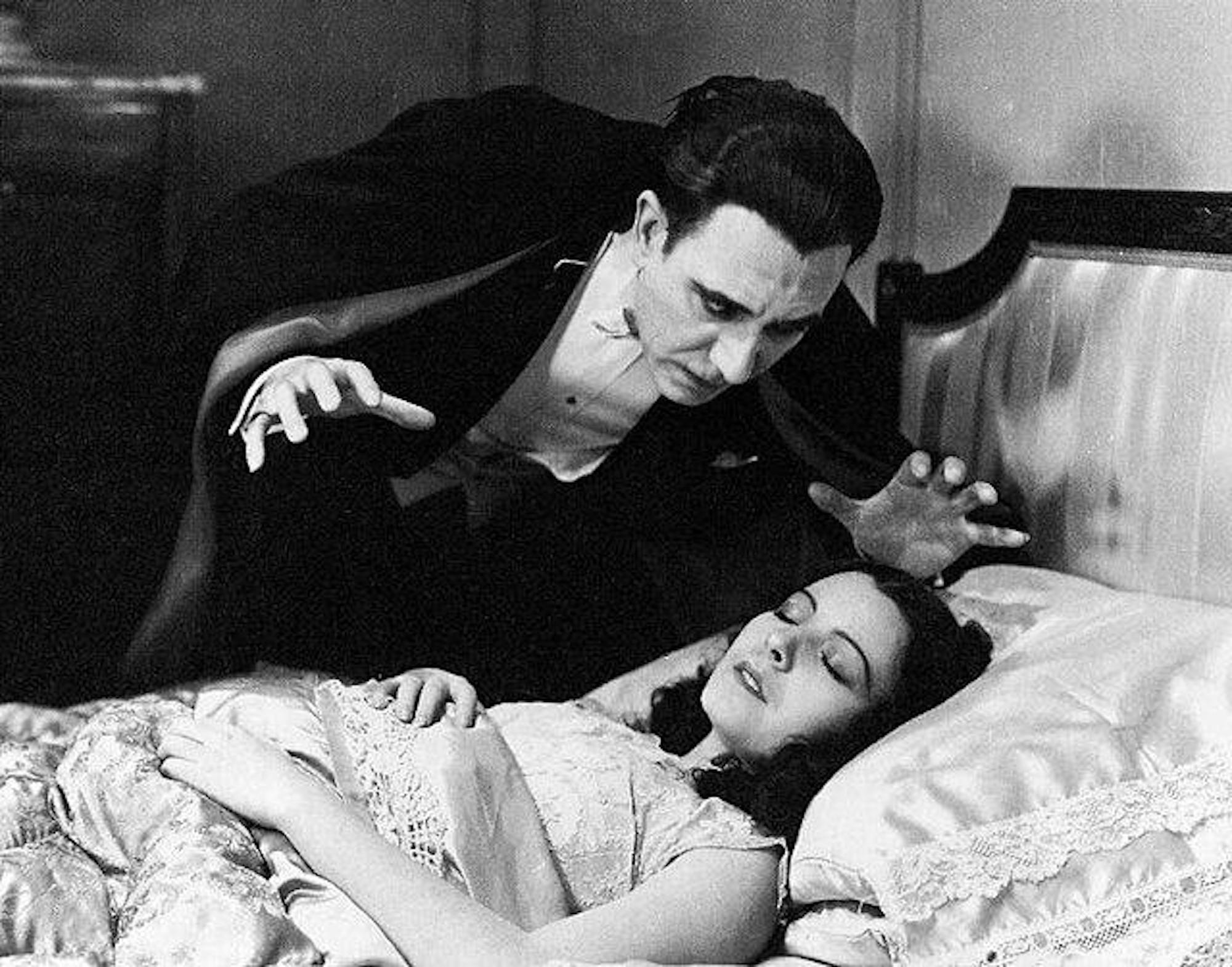
Monsters have and always will be shaped by the cultural anxieties of their time. But, what seems to have triggered the latest revival of neo-gothic cinema is less of a fear of invasive ideologies or groups of people, but instead a growing focus on the internal systems that create the monsters within us. Bram Stoker’s gothic horror novel Dracula (1897) framed its vampire as a manifestation of Victorian paranoia surrounding the threat of "foreign invasion” that immigration and globalization posed to England entering the twentieth century. Tod Browning’s 1931 rendition of Dracula was released against a backdrop of intense anti-communist rhetoric in the U.S., utilizing its vampire to echo overwhelming xenophobic and anti-radical sentiments that dominated American media. The rapid growth of contemporary gothic film seems to suggest that the real monster is not an invader meant to disturb the peace of traditional structures, rather, the monsters of today are cultivated by mechanisms of oppression that have existed in our midst for hundreds of years. After all, the ways we choose to memorialize the past depends heavily on both our proximity to historical events and the context we situate them in. By revisiting older narratives through this lens, remakes of original gothic tales carry completely different messages now than they did in decades past.
A particularly effective characteristic of gothic horror is its emphasis on the atmospheric. An overwhelming sense of dread seeps into the very corners of each film’s theatrical landscapes and darkened mansions, lingering ominously in the shadows until it's too late. When thinking about the foremost social, economic, and political issues of today, the atmospheric medium of gothic horror functions perfectly for this reason. For protagonist Ellen in Nosferatu (2024), her accidental summoning of Orlok and her convulsive fits map modern-day cultural fears onto the female body. The film’s rendering of Victorian society suffocates her with rigid gender norms and prejudiced expectations that shadow her every move. The all-encompassing oppression Ellen faces throughout the film shapes the tragedy of the sacrifice she makes at its conclusion, surrendering herself to Orlok to be free of a world full of horrors that it refuses to name. During a time when female bodily autonomy is once again subject to the whims of government demand, the real monsters in Ellen’s story become all-too-apparent.
In future decades, I am already anticipating my return to films from the current gothic revival. By watching old stories unfold in new ways, we come ever closer to understanding ourselves in the push and pull of historical change.
Charlotte Feehan is a sophomore in the College of Arts and Sciences. She can be reached at cgf47@cornell.edu.

Charlotte Feehan is a member of the Class of 2028 in the College of Arts and Sciences. She is a staff writer for the Arts & Culture department and can be reached at cgf47@cornell.edu.