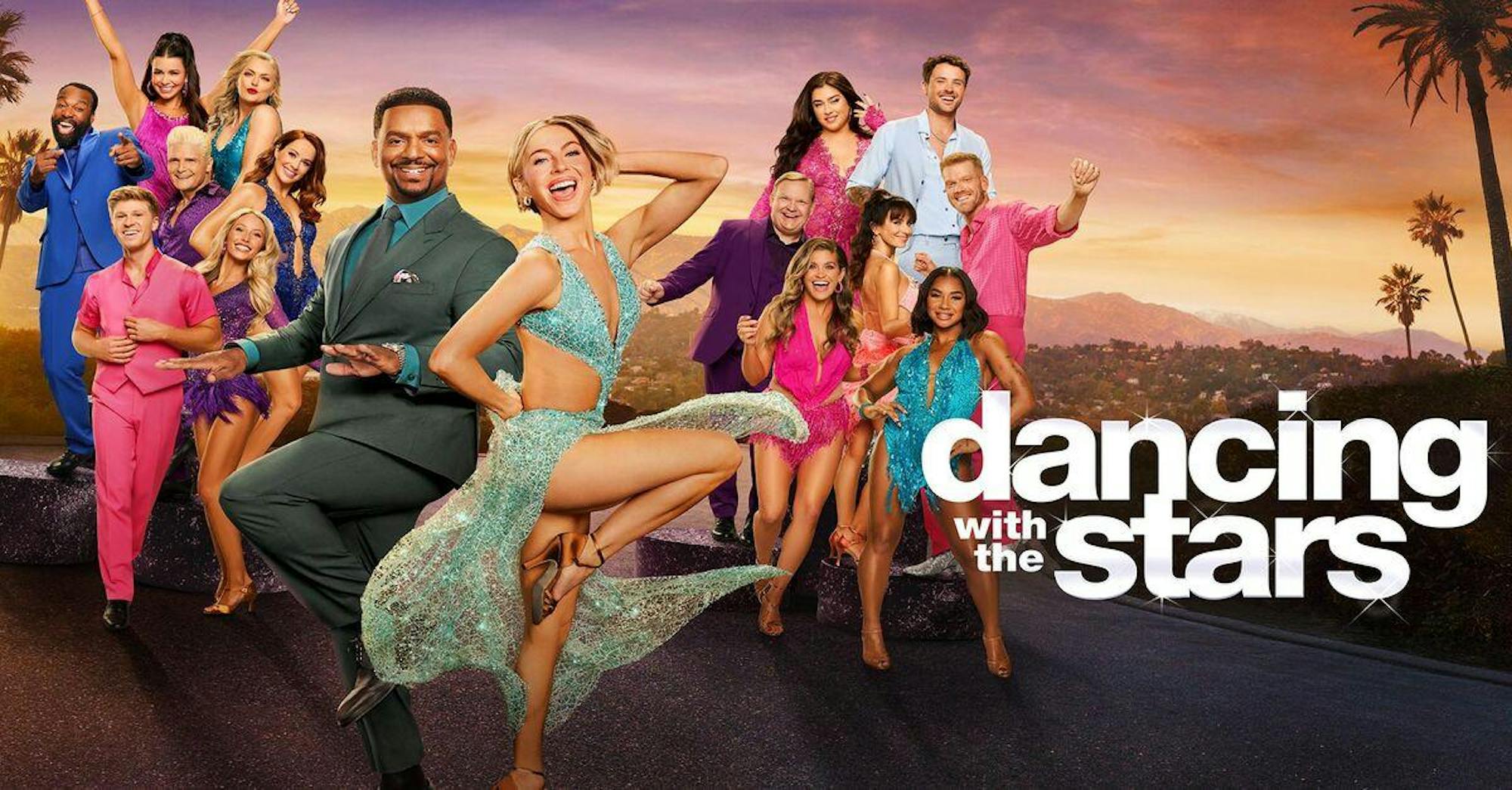
With this week’s release of the semifinals for Dancing With the Stars' 34th season, I can’t help but feel bittersweet. This season, though tumultuous, made huge gains for the DWTS franchise in terms of expanded viewership and relevancy on the pop culture stage. Despite being a lifelong fan, I can admit that DWTS is often dismissed as one of those shows you watch out of the corner of your eye in waiting rooms or simply out of pure boredom. However, given its sustained spike in online popularity, perhaps DWTS is finally gaining the recognition that it’s always deserved. While the mere presence of forums like TikTok naturally invite discussion surrounding the goings-on of reality TV, a noticeable, albeit effective, strategy has started to appear across the industry: the incorporation of the influencer.
Think Love Island USA, recent seasons of DWTS and most recently The Bachelorette. In drawing loyal fanbases to reality franchises, shows are able to capture two key advantages; additional publicity on social media and built-in character narratives. As to whether or not the addition of influencers necessarily adds or detracts from the “authenticity” or perceived grittiness of reality TV is completely up for debate. While I haven’t decided my stance on the matter, the latest seasons of my favorite shows were more enjoyable when supplemented by online commentary. However, the characters and content from this season of DWTS might be the very first to finally reap the consequences of inviting well-known influencers to join the cast. While the incorporation of influencers has undeniably expanded DWTS’ relevance, increased online visibility comes at a price. Intense online vitriol surrounding specific stars of this year’s season might pose a potential risk to shows and public figures looking to increase media exposure in the coming years.
Since its 2005 debut, DWTS has remained a steadfast fixture in the reality industry. While most might only know the show by name, its fanbase has remained faithful throughout the years and continues to guarantee DWTS’ renewal time and time again. Each season pairs professional dancers with celebrities then throws them headfirst into a weeks-long dance competition in front of live audiences and judges. The stars themselves come from any number of industries, typically renowned actors, athletes, singers and now, social media sensations. The dancers, commonly referred to as “pros,” are the foremost competitors in their respective styles. Most come from studios in Utah and Eastern Europe, and are tasked with not only performing, but also choreographing, routines and helping their stars learn completely new styles of dance each week. Evidenced by the celebration of its 20th birthday this year, DWTS has truly stood the test of time. In maintaining longevity, however, shows like DWTS have a tendency to do so at the expense of short-term cultural gravitas. While producers might have scraped by doing the bare minimum to stay afloat in past years, the infiltration of the influencer has certainly made a calculated mark in revitalizing the show’s popularity.
When thinking about the core premise of DWTS, the show is supposed to be structured as a meritocracy. Pairs are ideally evaluated by judges and viewers based on skill, showmanship, choreography and steady improvement throughout the season. If this was actually the case, there would be no DWTS. Audiences, who are given the power of an equally weighted vote during eliminations, make decisions based on the parasocial relationships they form with pairs over the 10-to-11-week running time of the season. Before the influencer, your average DWTS watcher was probably unfamiliar with the behind-the-scenes exposure to stars’ personalities that the show afforded them. It often took multiple weeks into the season before people started to pick their favorites or to theorize romantic connections between stars and pros. However, the introduction of influencers like Charli D’Amelio on season 31, and now Alix Earle on season 34, has completely changed the trajectory of favoritism on DWTS. Millions of young fans make up an impenetrable voting bloc for their beloved social media stars, generating online narratives that ensure their ability to stay on the show for at least the first several weeks of airtime.
This season was particularly affected by past perceptions of online personas and completely transformed the elimination process. Earle, who is rightfully one of the favorites to take the mirrorball trophy this year, came out of the gate with the immediate advantage of her TikTok presence. At this point, contestants are practically expected to advertise themselves on social media via dance videos and cheeky skits with their pros. Stars like Earle and D’Amelio who do TikTok for a living already had millions of followers and the professional experience to ensure success on this front of the competition.
Another equally strong force this season was the addition of two cast members from hit reality TV series The Secret Lives of Mormon Wives: Whitney Leavitt and Jen Affleck. Despite being massively popularized by their show, Leavitt and Affleck were first made infamous by a swinging scandal on TikTok. Previous narratives spun about the women based on The Secret Lives of Mormon Wives and their online personas naturally led to DWTS producers pitting them against each other this season. Leavitt, despite being an incredibly skilled dancer, has been accused of egregious overscoring by judges to the detriment of non-influencer stars like gymnast Jordan Chiles. When Affleck was eliminated during Week 7 of the show, the internet exploded with accusations of Leavitt smiling behind her hand after beating out her supposed friend in the bottom three. Because of Leavitt’s pre-existing villainy, the meritocratic foundations of DWTS were all but lost within the first few weeks of the season. While some fans rallied behind stars like Andy Richter, who made it all the way to Week 9 despite being a painfully unskilled dancer, others continued to bash Leavitt for scores she couldn’t control. Meanwhile, male influencer and brother of Zac Efron, Dylan Efron, has consistently skated by doing less complex routines with little-to-no backlash.
After watching the semifinals and Whitney Leavitt’s undeserved elimination this week, it’s hard to decide whether or not the infiltration of the influencer will serve DWTS and other reality shows well in future seasons. Despite bringing in a generation of young viewers to the DWTS franchise, I can only hope that audiences remember to evaluate pairs based on their skill and artistry going into the final round of a very tumultuous season. That being said, go Alix!
Charlotte Feehan is a sophomore in the College of Arts and Sciences. She can be reached at cgf47@cornell.edu.

Charlotte Feehan is a member of the Class of 2028 in the College of Arts and Sciences. She is a staff writer for the Arts & Culture department and can be reached at cgf47@cornell.edu.