Harry Potter, Iron Man, Rory Gilmore, Frodo Baggins — when someone mentions these names, our minds do not go to a blurry and undefined image of a character, but to a specific actor or actress. We think of Daniel Radcliffe, Robert Downey Jr., Alexis Bledel and Elijah Wood. Yes, it might be Daniel Radcliffe as Harry Potter, but the mental image is still the performer. Yet, this shift of thinking of the character independently to thinking of them entwined with the actor/actress doesn’t happen for every role; it only occurs for the most iconic and well-known franchises.
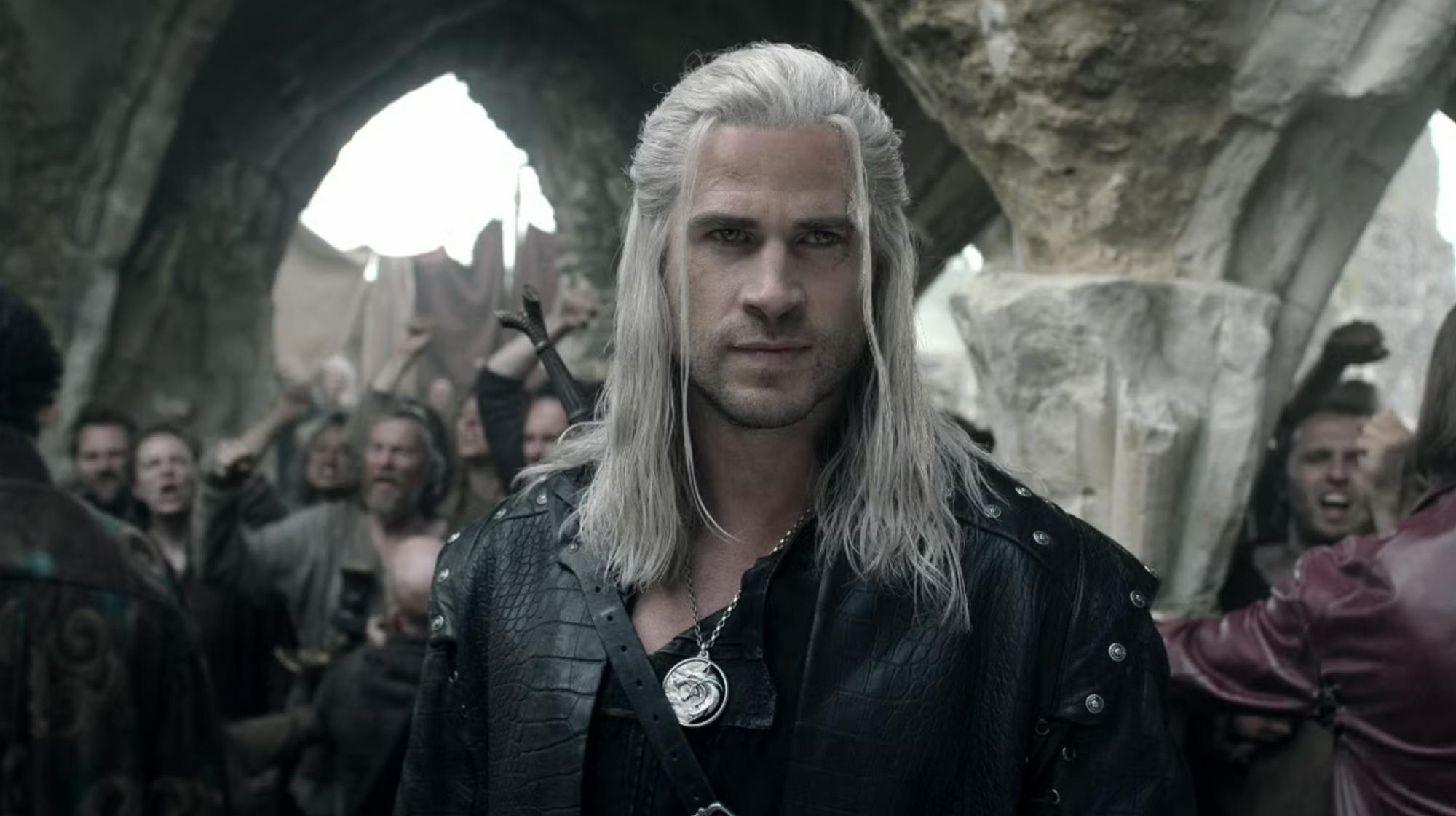
When The Witcher first debuted as a television series based on the hit video game, the show quickly cemented itself within this realm of iconic franchises. In 2020, The Witcher season one was on track to be Netflix’s biggest season one launch, based on viewership. Season after season, lead actor Henry Cavill embodied Geralt of Rivia, the sword-wielding protagonist of the show, until Cavill announced his departure from the show after season three — right in the middle of the story arc. Netflix was left scrambling to replace an actor who was Geralt with an unfamiliar face, and the studio ended up choosing Liam Hemsworth. With the release of season four of The Witcher, Netflix is realizing how difficult it is to accept a new interpretation of an already beloved role.
The first through third seasons of The Witcher were some of the best fantasy stories on a modern screen. Many people lauded the show as the new Game of Thrones, though as far as storytelling goes, I think The Witcher surpassed that show. A common thread among reviews was that Henry Cavill was the perfect Geralt of Rivia, faithful to the video game and to the book series. Then, he was gone, and Liam Hemsworth was left with very large shoes to fill. After watching the first episode of the new season, it was obvious the route the new actor would take: Try to act as similar to Henry Cavill as possible. Hemsworth adopts the same vocal and behavioral mechanisms that Cavill brought to the character, but with one obvious flaw: He isn’t Henry Cavill.
Replacing a lead role isn’t often done, for obvious reasons. Audiences grow attached to a specific face and style for their main characters. When it is done, it leads to disaster. One notable example was the replacement of Johnny Depp as Grindelwald in the Fantastic Beasts franchise. Due to the actor’s ongoing trial with Amber Heard, the studio chose to remove him in favor of a new face. Having already been Grindelwald in two of the previous films, Depp’s removal ruined the magic, in a sense. When audiences decide to follow a multi-film saga, they invest. They choose to set aside their expectations and immerse themselves in a story. However, the obvious shift from one actor to another destroys the illusion. Audiences are thrust back into a reality where that character is just an actor, that world is just a set and that story is just a manipulation of your belief.
These consequences are the same ones we see with the recasting of Geralt of Rivia in The Witcher. We chose to delve into a fantastical tale, and we are unwillingly forced from it by coming face to face with reality. Of course, there appear to be ways around the problem of recasting a central figure. For example, Albus Dumbledore’s actor from the Harry Potter franchise was changed after the tragic passing of original actor Richard Harris. However, the saga continued for another six extremely lucrative movies, and now, when we think of Albus Dumbledore, we often think of actor Michael Gambon. In this instance, the change came early into the story, before audiences were cemented in their expectations. In addition, Michael Gambon added his own flair to the role instead of trying to copy his predecessor. By doing this, he successfully avoided constantly reminding the audience of a previous interpretation, unlike Liam Hemsworth in The Witcher season four.
We’ve all heard the phrase “you have to separate the art from the artist,” often when people defend pieces of film, music or literature that were created by an unsavory person. However, the reactions of audiences to changing the actor/actress of a central character in the film industry sharply contradicts that statement — people cannot separate characters and the art made through them from the performers that assist in bringing that art to life. The fourth season of The Witcher has seen the worst viewership numbers of the entire show. According to an article by Forbes, viewership dropped from 15.2 million views in the opening week of season three to season four’s 7.4 million. Netflix attempted to explain the obviously drastic transformation of Geralt from season three to season four by framing the new season as a story told from the perspective of people four hundred years in the future, blurring the line between what is real and what is fiction — audiences just didn’t buy it.
Just as Harry Potter, Iron Man, Rory Gilmore and Frodo Baggins have become one with their actors/actresses, so has Geralt of Rivia melded with the image of Henry Cavill. Taking away the life force of the character and shattering audiences’ ability to believe, Netflix took a major hit with the casting of Liam Hemsworth. Unfortunately, the damage has been done, and the Witcher as we knew him will never return.
Jane Locke is a sophomore in the College of Arts and Sciences. She can be reached at jal562@cornell.edu.
Jane Locke is a member of the Class of 2028 in the College of Arts and Sciences. She is a staff writer for the Arts & Culture department and can be reached at jlocke@cornellsun.com.