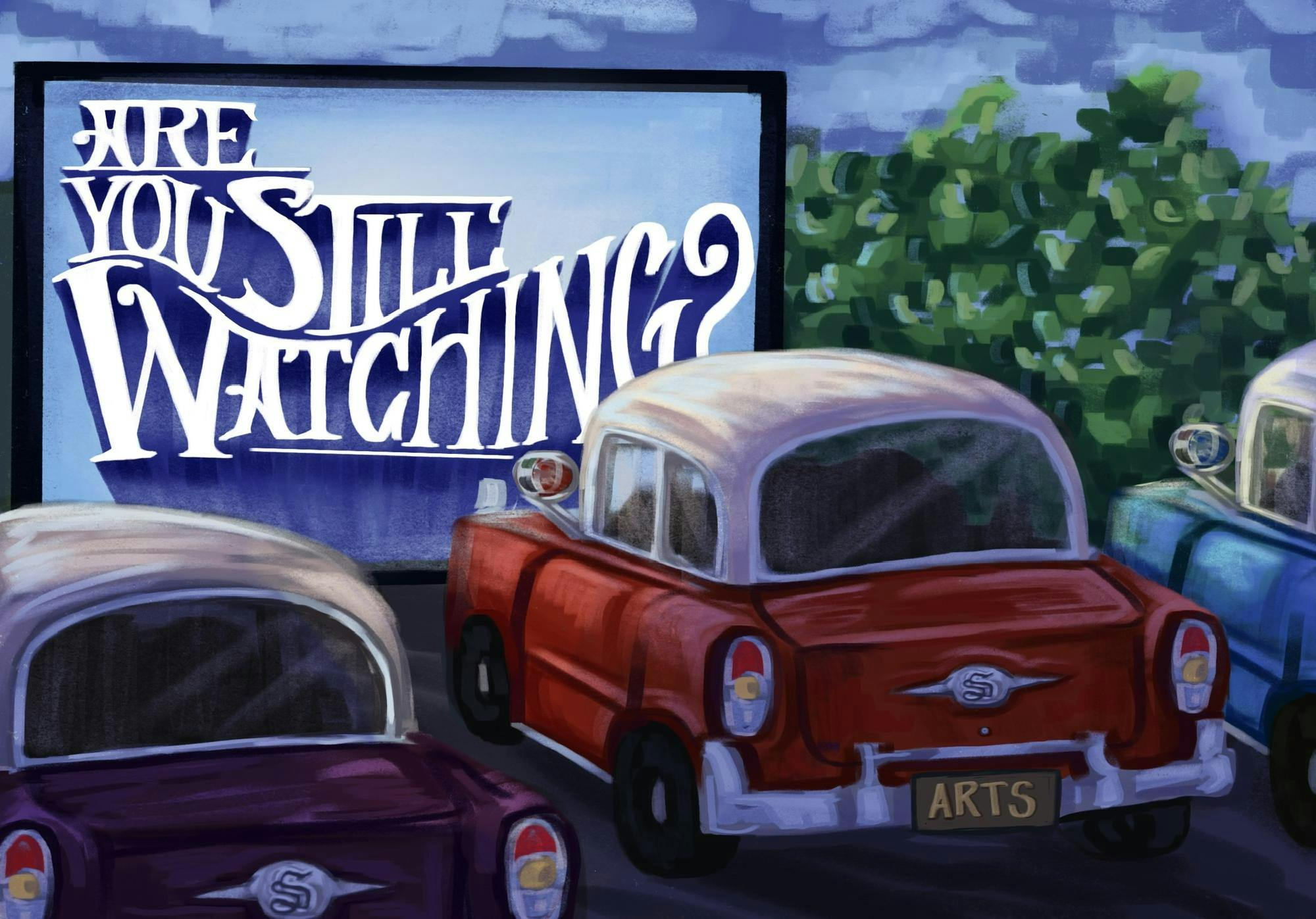
In 2020, the whole film industry was shaken when the film that took home Best Picture at the 2020 Oscar Awards was Parasite, a film that was neither produced in Hollywood nor an English language film. This was shocking; was Hollywood being outdone by foreign filmmakers, so much so that even the exclusive Oscars Academy had acknowledged them? Or was it that Parasite was just the first foreign film that became so popular, so well rated, that it could not be ignored?
Though it has been five years since that historic moment, it is more relevant now than ever that we ask the question: are we still watching foreign films? So many people narrow their film watching to domestic cinema, whatever is running in the movie theater that week or whatever is easiest to understand. Hollywood is of course a very diverse industry, but it is also not the end all be all. In fact, so much can be gained by watching foreign films that paint pictures of the greater world from other perspectives.
In films like Amelie, we experience French culture in more ways than one. Sure, the film is based in France, taking place across different locations in Paris, and referencing events in French history and culture. Yet, the tangentially important aspect that I noticed while watching Amelie was universal: The narrator of the film points out that Amelie finds joy in the simple things in life. Though some of these turn out to be quite odd hobbies, and some (at times illegal) meddling in other peoples’ lives, it manages to show off the essence of French social culture. Time seems to slow in Paris in the evenings, it could be 11 p.m. and people will still be sitting there drinking coffee (or wine) and smoking with their friends. People enjoy the simple things in life like a good drink and gossip. For those of us that cannot visit Paris, watching Amelie feels at times like stepping into Paris on a late night evening, though minus some of the heroine’s shenanigans.
As someone whose family is from Soviet Armenia, one of the films I grew up watching was Mimino, a comedy featuring a Georgian and Armenian who become companions on a journey from Moscow back to their respective home countries. The film takes people back to the times of the Soviet Union, and doesn’t paint it as this enemy spy state that most American and European films display, but rather as a hodge podge of different cultures coming together to form this huge country. It shows people the good things that happened in the Soviet Union that are often overlooked when the country is being discussed abroad.
After taking a year of Japanese history classes at Cornell, I have grown to appreciate how many Japanese films are out there that beautifully display the culture. We may know about American animations or films that are inspired by anime, such as Avatar the Last Airbender, but do you know about the films that inspired these iconic TV shows and movies? One of the best anime writers and artists is a man by the name of Hayao Miyazaki, who is known for movies such as Spirited Away. This film and others notably feature aspects of the Japanese religion of Shintoism. With Torii gates and characters that can only be described as kami, gods or divine spirits that are embodiments of the forces of nature, or yokai, more malevolent types of spirits that often pester mankind. In another movie, Your Name, this time by Makoto Shinkai, Shintoism is shown as a traditional religion still performed in the countryside, with still potent repercussions in the modern day. These films and their creators take aspects that are essential to Japanese culture, history and religion and repurpose them to show the ways in which they can be reinterpreted by people from their own culture. By viewing these films not only do we see the traditions that have helped shape the Japanese culture, but also how people in Japan view and repurpose this culture in the process of creating art.
Films do not just show a story but also the culture and religion that inspired them. When we dive into the world of foreign cinema, we are taking a walk down a foreign street, meeting foreign people and indulging ourselves in foreign food and music. What so many people dismiss because of unconventional plot lines or inconvenient subtitles harbors a world that we would not be able to see if we visited those countries ourselves, a world often only seen and conveyed by those that belong to that culture. So I will ask you, dear readers, are you still watching foreign cinema?
Lusine Boyadzhyan is a junior in the College of Arts and Sciences. She can be reached at lboyadzhyan@cornellsun.com.

Lusine Boyadzhyan is a member of the Class of 2027 in the College of Arts and Sciences. She is a staff writer for the Arts & Culture department and can be reached at lboyadzhyan@cornellsun.com.