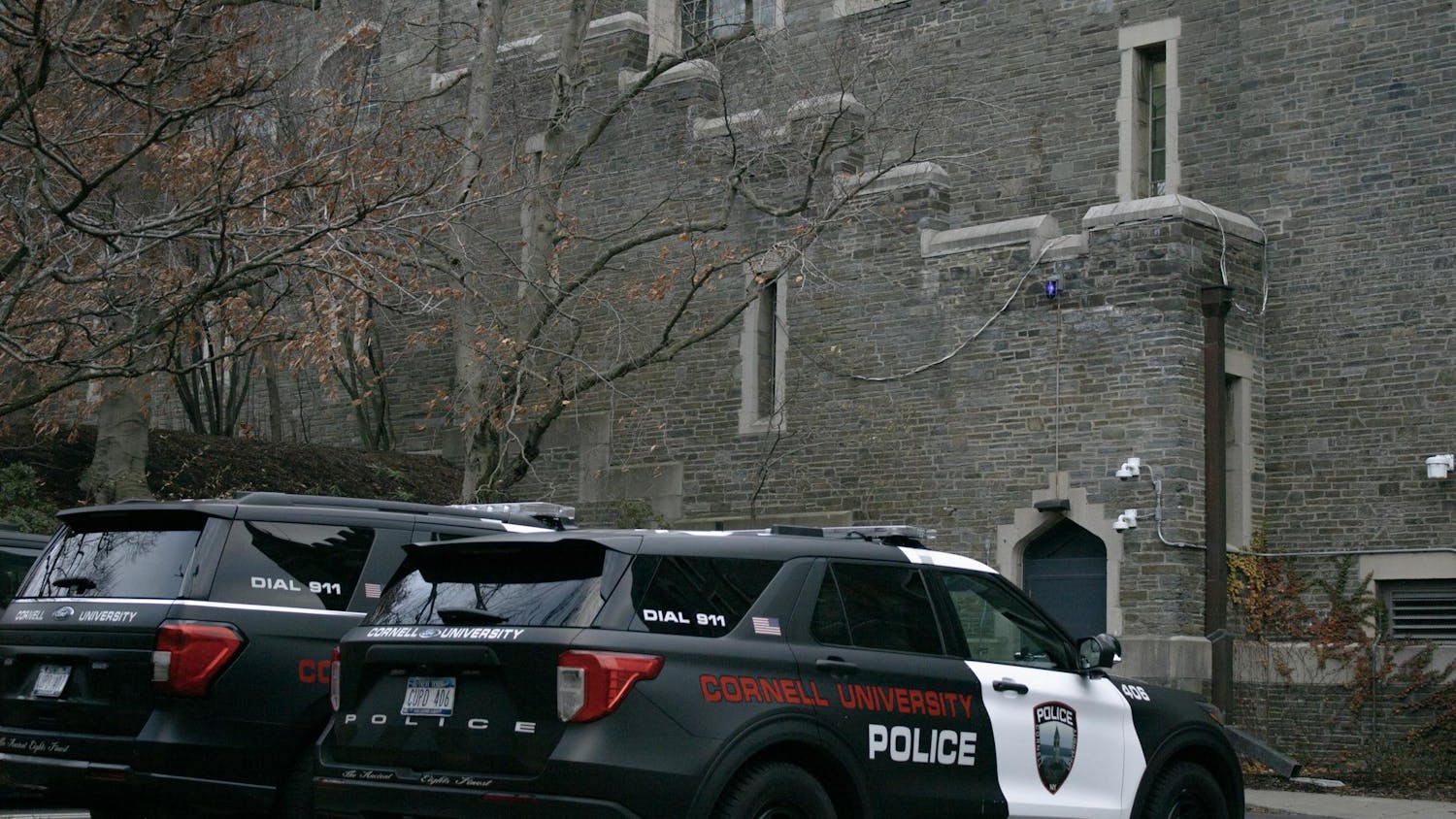
Cornell reached a settlement with the Trump administration to restore hundreds of millions of dollars in frozen federal research funding. As part of the deal, the University will invest $30 million into research to strengthen U.S. agriculture over the next three years.
The agreement follows a slew of stop-work orders that began in February and rose to over 120 orders in May, which halted close to 250 million dollars of research funding. Stop-work orders are directives from a contracting officer to a contractor to stop all or parts of work for 90 days, at which point they expire or are extended.
Among several research sectors impacted, the freeze disrupted agricultural projects across the University, raising fears of widespread layoffs and threats to ongoing research.
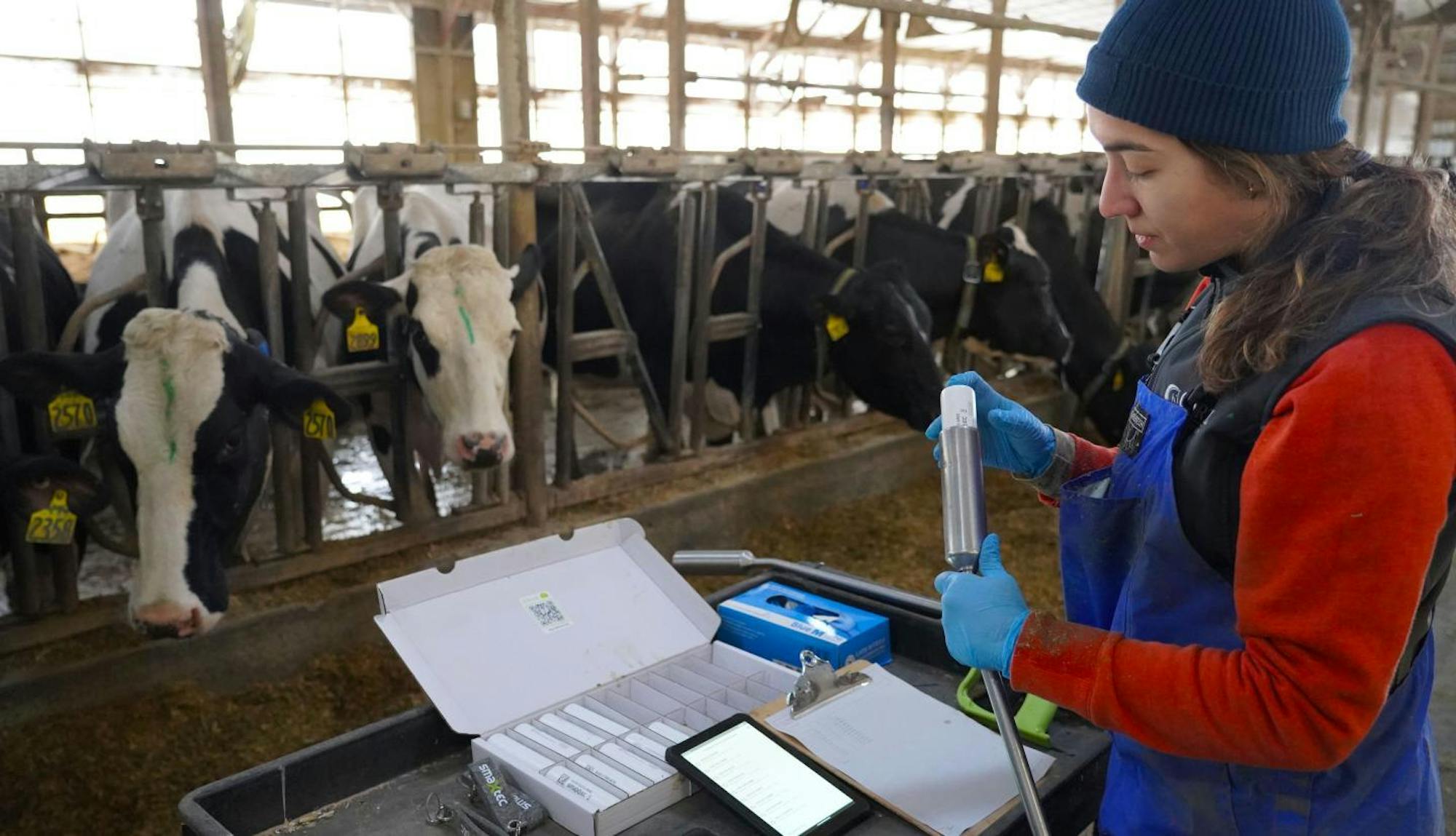
Now, under the deal, Cornell will invest $30 million in agricultural initiatives that integrate artificial intelligence and robotics into modern farming, according to provisions of the settlement. The investment, described by Assistant Attorney General for Civil Rights Harmeet K. Dhillon in a Nov. 7 press release as “groundbreaking,” is intended to expand agricultural development and productivity nationwide.
In a statement released to the Cornell community after the deal was announced, President Michael Kotlikoff called the settlement a relief from months of uncertainty that “stalled cutting-edge research, upended lives and careers, and threatened the future of academic programs at Cornell.”
Kotlikoff added the University “looks forward to resuming the long and fruitful partnership with the federal government that has yielded, for so many years, so much progress and well-being for our nation and our world.”
As a land-grant university, Cornell places agriculture at the center of its mission. The College of Agriculture and Life Sciences and Cornell AgriTech in Geneva have played a key role in making Cornell a national leader in agricultural fields. The new $30 million agricultural investment reinforces Cornell’s role as the only Ivy League institution with a land-grant foundation and an explicit responsibility to advance agricultural research.
To many, agriculture reflects Cornell’s original mission. The long history in sustainable agriculture still drives its impact today.
“Agriculture was a major catalyst for Cornell's creation in 1865 and it has remained the preeminent institution in agriculture, farming, and related studies,” the settlement stated. “Cornell has a history of working with governments at all levels including our federal government to support America's farmers.”
Currently, according to the settlement FAQ page, the University is developing “a program within the Office of the Vice Provost for Research (OVPR) to administer the disbursement of this funding. More information will be disseminated by the OVPR later in the year.”
While it is still unknown as to which programs will be funded by the investment, there are several programs and institutes at Cornell that are involved with research that connects agriculture and technology, including Cornell Institute for Digital Agriculture - a community for technology and artificial intelligence based farming research.
Brit Johnson, a fourth-year Ph.D. student in entomology, said she felt “very fortunate” during the federal funding freeze last Spring.
“Our lab had a long-standing project, so funding gaps didn’t stop our work. We were able to bridge over the uncertainty in a way many other groups couldn’t,” she said.
She added that “watching the labs around us deal with the fallout was a huge morale hit. Even if we weren’t financially affected, seeing colleagues lose opportunities and have to rethink their careers was really hard.”
However, last Spring’s funding freeze still caused lasting impacts for Johnson.
“I’m hopeful things will improve now that there’s a settlement, but some of the damage is already done. People lost jobs, some had to leave programs and others saw their [principal investigator]’s research discontinued entirely.” Johnson said. “Even if our lab wasn’t directly affected, it fundamentally shifted how many of us think about our futures.”