As we settle into a new semester in the midst of a bleak winter, the campus has grown noticeably quieter. With shorter daylight hours and the excruciating cold, students’ routines have begun to shift. For many Cornell students, including myself, this season is more than just the cold weather; it affects our daily moods, brings sluggish mornings and slows us down. While shorter days disrupt routines and make it harder to stay energized, they also offer an opportunity to improve our productivity and build habits that work with the season. Hence, I have a few tips to strategically use social routines and daylight — while it lasts — to stay productive!
Group Fitness to Build Structure
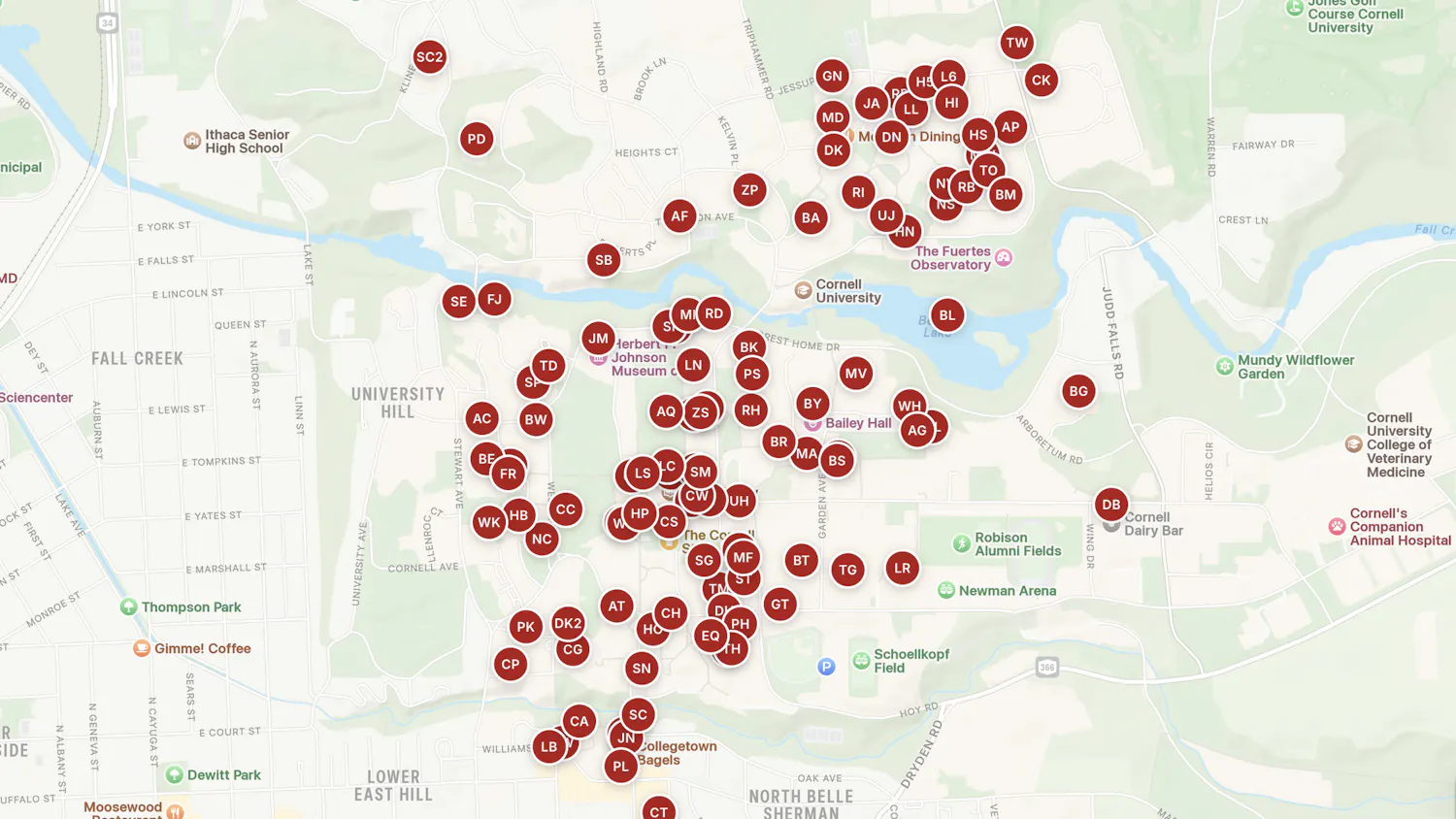
When it is dark outside for most of the day, the days can feel blurred together, and some may lose motivation due to the loss of daily structure. Rather than pressuring yourself to stay motivated and go to the gym, Cornell offers Group Fitness classes that add routine to unstructured days. There are classes offered across campus with multiple convenient locations: Teagle Hall on Central Campus, Noyes Community Recreation Center on West Campus and Helen Newman Hall and Appel Commons both on North Campus. Depending on which dorm or classroom you are in, each location may take as little as a five to eight-minute walk to attend these classes.
While this recommendation seems like a simple encouragement for exercise, its key advantage is that the classes operate on a fixed schedule. Each class offers a specific time and instructor, with sessions lasting between 45 and 75 minutes. This structure removes the voluntary daily decision of whether or not to workout and replaces it with commitment. Personally, living in William Keeton House makes the Noyes Community Recreation Center a two-minute walk, removing excuses even during cold evenings. Attending Jenna’s Tuesday and Thursday H.I.I.T and Core classes turned into a non-negotiable part of my routine that I plan on maintaining. Over time, regular attendance can transform working out into a routine that you look forward to, rather than a dreadful obligation. There's also a great variety of classes; my personal favorites are H.I.I.T., Core, Cycling and Pilates. Rotating between different styles of exercise keeps workouts enjoyable and prevents burnout. Pilates Mat classes in particular offer a lower-impact option that balances strength and recovery, making them a convenient choice during busy academic weeks.
Adjust to the Limited Daylight
During peak winter months, the sun often sets between 4 and 5 p.m., which leads to minimal daylight hours for students, especially with darkness settling in during afternoon or evening classes. This affects students’ mood, sleep schedule and productivity. Treating daylight as a limited resource by waking up earlier is one of the most effective ways to maximize daylight exposure. While waking up early may feel counterintuitive, greater exposure to daylight and moving early when the sun is up positively influences your mood. Waking up early is always challenging, especially in the colder mornings, so making it a habit may make it easier to maintain. Booking a meeting or coffee chats, planning a study session, attending a fitness class or scheduling any appointments in the mornings can help add accountability to create an early routine. When many tasks or meetings are completed in the morning, the longer nights may feel less draining. During the day, you can also attempt to increase sun exposure by studying near windows or taking a short walk. Although challenging to implement at first, these small changes can significantly impact focus and productivity.
Romanticize the Snowy Winters
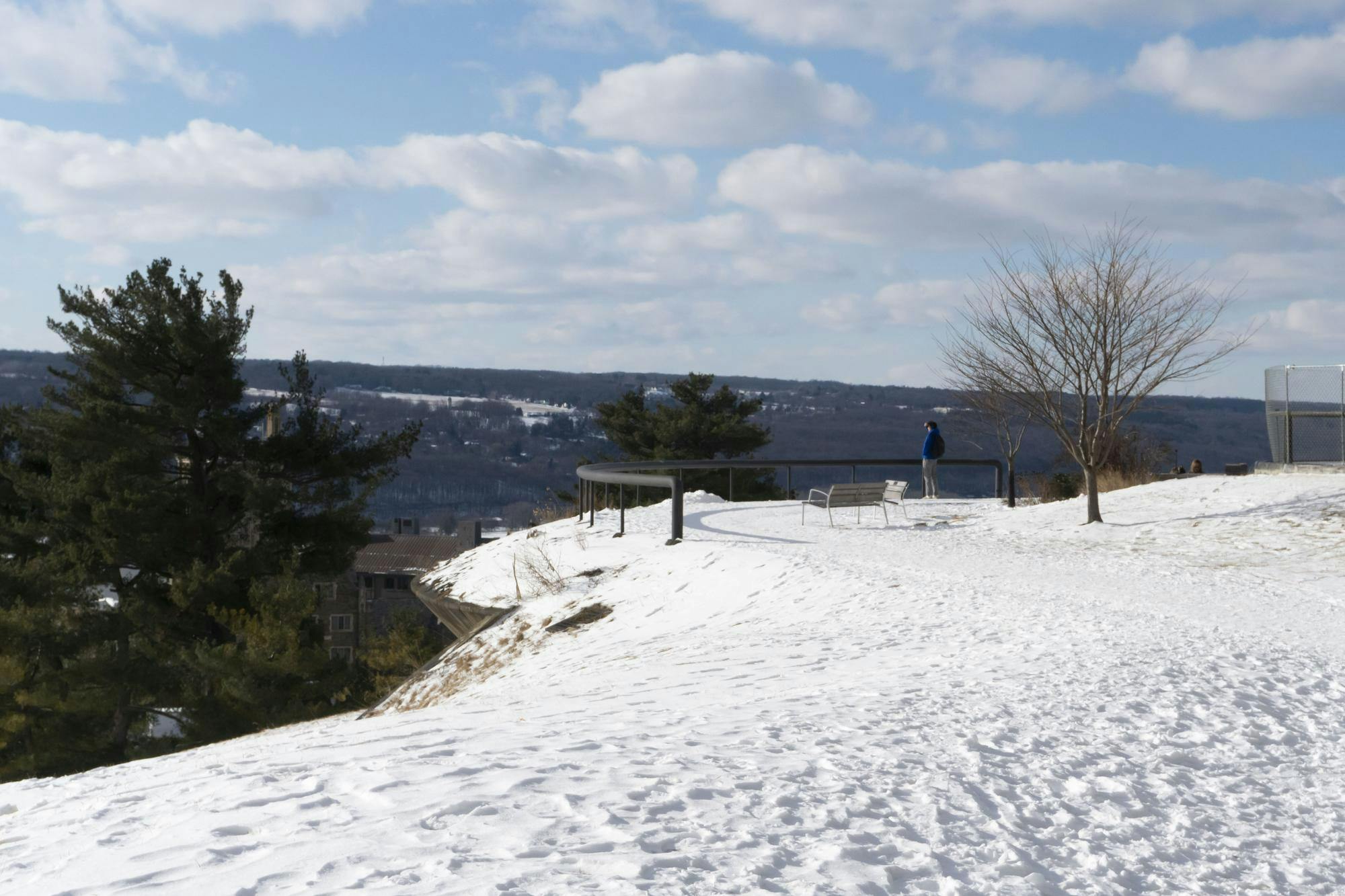
While physical activity can boost productivity, my best strategy is to develop your mindset. Winter feels long, but reframing it as a time to focus — a period of intentionality — can allow for less exhausting days. Find a favorite warm drink, study at a cute cafe in Collegetown or Ithaca Commons and turn study sessions into a cozy activity with other students rather than isolating yourself. Dressing up for the winter, finding beautiful winter sights like Taughannock Falls State Park, Ithaca Falls or the Cornell Botanic Garden, can allow for intentional rest that prevents burnout. With fewer outdoor distractions and social events, winter is an ideal time for quiet activity and reflection.
Stay Social
Everything is easier with a friend by your side. When winter feels especially isolating, social connection is critical for both mental health and productivity. Creating social routines like attending fitness classes together, scheduling weekly dinner or coffee plans, setting recurring study sessions and incorporating previous recommendations like meeting at the library early in the morning adds structure to your week. While spontaneous plans are exciting, planned interactions can offer something to look forward to while allowing you to maintain prior commitments to go to the gym or study. Doing such activities with a partner, especially a close friend, can increase consistency and a mutual commitment to sharing new experiences.
Productivity during the Ithaca winter is not about pressuring yourself to maintain a high level of energy — it's about building habits while prioritizing both academic and personal well-being. Through structured daily routines, intentional use of daylight, mentally reframing winter and prioritizing important social connections, students can become their most productive selves. Real improvement does not have to begin with huge changes; it can start by simply showing up. Small commitments are what truly keep you going during the wintertime.
Ines Hwang is a sophomore in the College of Arts and Sciences. She can be reached at ish7@cornell.edu.