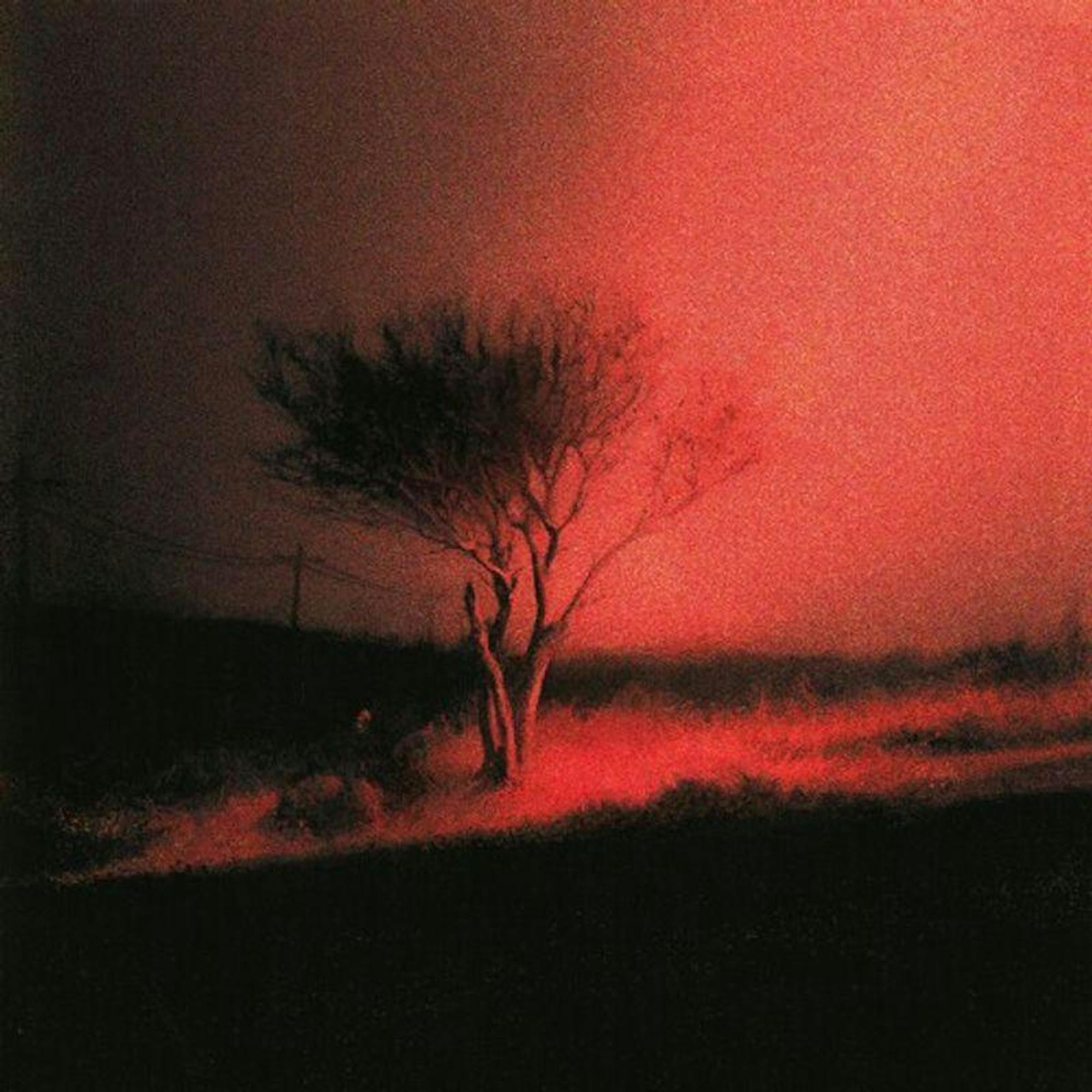
To “piss in the wind” means to do something that is ineffective or a waste of time, and nearly half of the songs on Joji’s new album, Piss in the Wind, feel like they are exactly that.
George Miller, known online as Filthy Frank or by his stage name, Joji, released his fourth album on Feb. 6 after months of teasing and single drops. The alternative artist, known for his melancholic and “slow-burn ballads,” as he describes himself, has done it again: At times, he captures the feeling of heartbreak and anguish in his music, while at other times the album is repetitive and uninspired.
In the lead-up to the full album drop, five singles were released: “Pixelated Kisses,” “Last of a Dying Breed,” “LOVE YOU LESS,” “If It Only Gets Better” and “Past Won’t Leave My Bed.” The earworm quality of these songs had me hopeful that Joji was able to capture the quality and raw emotion of his previous works, most notably “SLOW DANCING IN THE DARK” and “Glimpse of Us.” The singles, however, proved to be a tease, with the rest of the album, for the most part, paling in comparison.
The singles showcased exploration into new genres, with “Pixelated Kisses” adopting an alternative R&B style and dipping its toes into the electronica and trip-hop realms. The remainder of the singles capture the true Joji essence of powerful emotion, catchy beats and a calm amid the chaos that envelops his life, which is what made Joji so appealing in the first place. The remainder of the album, which Joji describes as “flickering alt-pop vignettes,” struggles to recapture the vibe he achieved on the single releases. Standouts include my favorite song on the album, “Sojourn,” and the feature-assisted works “Piece of You,” “Rose Colored” and “Fragments,” featuring GIVĒON, Yeat and Don Toliver, respectively.
“Sojourn” follows in the footsteps of “Pixelated Kisses,” featuring a strong electronic sound which is new for Joji. In the song, Joji sings about wanting the love from a past relationship “a little longer,” with a moment of introspection as the beat switches and he laments himself being a “fool.” The album makes strong use of its features, with the jazz and R&B artist GIVĒON complementing the slower, jazz-focused track "Piece of You." In this song, Yeat might initially feel out of place, being known as a trap artist. However, a beat switch to a more up-tempo pace suits him well. Don Toliver, fresh off of releasing an album last week, Octane, lends his voice to “Fragments,” which feels like it snuck off of Toliver’s solo project and onto this album, as the prominent vocals are Toliver’s and the beat has similarities to Octane tracks.
Using the word "vignettes" to describe the rest of the songs feels generous, since many of them feel incomplete, have nothing to say or offer only one or two main verses — all issues Joji has struggled with before. With his fourth album, his first since leaving the 88rising record label, I was hoping Joji would produce an album that was more refined, more creator-controlled and less bloated. It’s astonishing for a 46-minute album to be bloated; however, with 21 tracks and only one of them crawling over the three-minute mark, so many songs feel like they could have been combined or cut entirely.
Songs such as “Forehead Touch the Ground,” “Fade to Black” and “Dior” epitomize the problems this album faces. All are under two minutes long with less than half of the track length featuring vocals; the latter half is a showcase of the beats, which are often lackluster and unfinished. This unfinished atmosphere is something Joji has experimented with before; however, in the case of a few songs on this album, it reads as lazy and as though he was unable to remove songs from the tracklist. Even if Joji’s desire is to maintain a 21 song tracklist and a shorter playtime, the tracks need to all be worth it, of which many simply are not.
Joji’s return to music is as triumphant as it is disappointing. The vintage Joji is back at times, experimenting with new genres, lo-fi beats and raw emotion packaged in lyrics. At other times, the worst of Joji is being put out, unfinished and purposeless. Given this being his fourth album, the hope is that Joji capitalizes on what he does best, which made him take off years ago. The experimentation can be where the struggles present themselves; instead, the experimentation leads the listener itching for more, more that is likely not coming for another three years, and the familiar Joji comes and goes throughout the album. Without an overbearing studio like 88rising, Joji having more creative control can produce classics. This album is proof of that, but it also breeds inconsistencies and indecisiveness. So as Joji matures as an artist, I hope his fifth album will remedy these issues.
Brayden Rogers is a sophomore in the College of Arts and Sciences. He can be reached at bjr236@cornell.edu.
Brayden Rogers is a member of the Class of 2028 in the College of Arts and Sciences. He is a columnist for the Arts & Culture department and can be reached at brogers@cornellsun.com.