In the summer of 2023, while on a road trip from the Rocky Mountains of Alberta to Ithaca, New York, my friend Fred MacDonald, a poet and artist from the Fort McKay First Nations, asked me to ‘talk the walk.’
We had just crossed the United States border and had been searched. As they made us wait, they glanced at us and cynically grinned.
Fred remained alert and very quiet. Silence is not something he does easily. He just wanted to get out of there. A long and continuing history of Aboriginal oppression was weighing on him. I was the opposite, irritated, I asked why we had been stopped and demanded an explanation before leaving. They did not use the excuse of a random check. Instead, they said a computer error indicated we were transporting agricultural goods. It has been years since I had been stopped because they have my fingerprints and iris scan as a pre-check for security. One brown man, Indigenous with a permit to travel freely in North America, and the other, also dark, with Global Entry (TSA Pre-Check) had been stopped for no apparent reason. Even when you follow their rules to the letter, there is still a double standard.
Determined not to let this incident sour our 10-day road trip south, Fred pulled over at the nearest rest stop and gave me a camera case with all the snazzy equipment. He said: “I am going to teach you photography and how to write a Haiku while we wander through this beautiful land we call home.” At dinner that night, recognizing that we are aging, we made light of our joys and sorrows. At that moment, he called me by my Aboriginal name; thereby, creating the intimacy of brothers. He asked, “Isn’t it time for you to ‘talk your walk’? You have spent your entire lifetime ‘walking the talk!’” He wanted me to share my personal story.
It has been three years since Fred uttered those words. So, I write this article for young undergraduate students who are perceived as the outsider, the Indigenous, the ‘colored’ and even the ‘white’ Euromericans who come from rural, poor and middle-class families. With their assumed superiority, those who judge us essentialize our identities and erase our humanity. It is amusing — if not ironic — that the outliers are the original peoples of this land and the majority of the law-abiding citizens.
When I was 12 years old, my father told me that David Suzuki’s father advised him that to be considered equal to the mainstream society, he would have to be 10 times better. Now, David Suzuki, a Canadian geneticist and conservation biologist, has rockstar prominence in Canada and Australia. When he says something, it is reported in the news. His family was among the many families of Canadians of Japanese descent who were moved from their homes in British Columbia on the Pacific Coast, sometimes thousands of miles to Ontario in the east to be imprisoned. Their houses and assets were nationalized and never returned. If that was not enough, Canada kept them in internment camps four years after the end of the war.
Many years later, while on a walk with David in the prairies of Alberta between the foothills to the north and the Rocky Mountains to the west, in the presence of my two children, I narrated my father’s words and asked him if they were true. He looked at my daughter, who was nine, and son, who was five, while they attentively waited for his reply. Then, he softly said, “yes!”
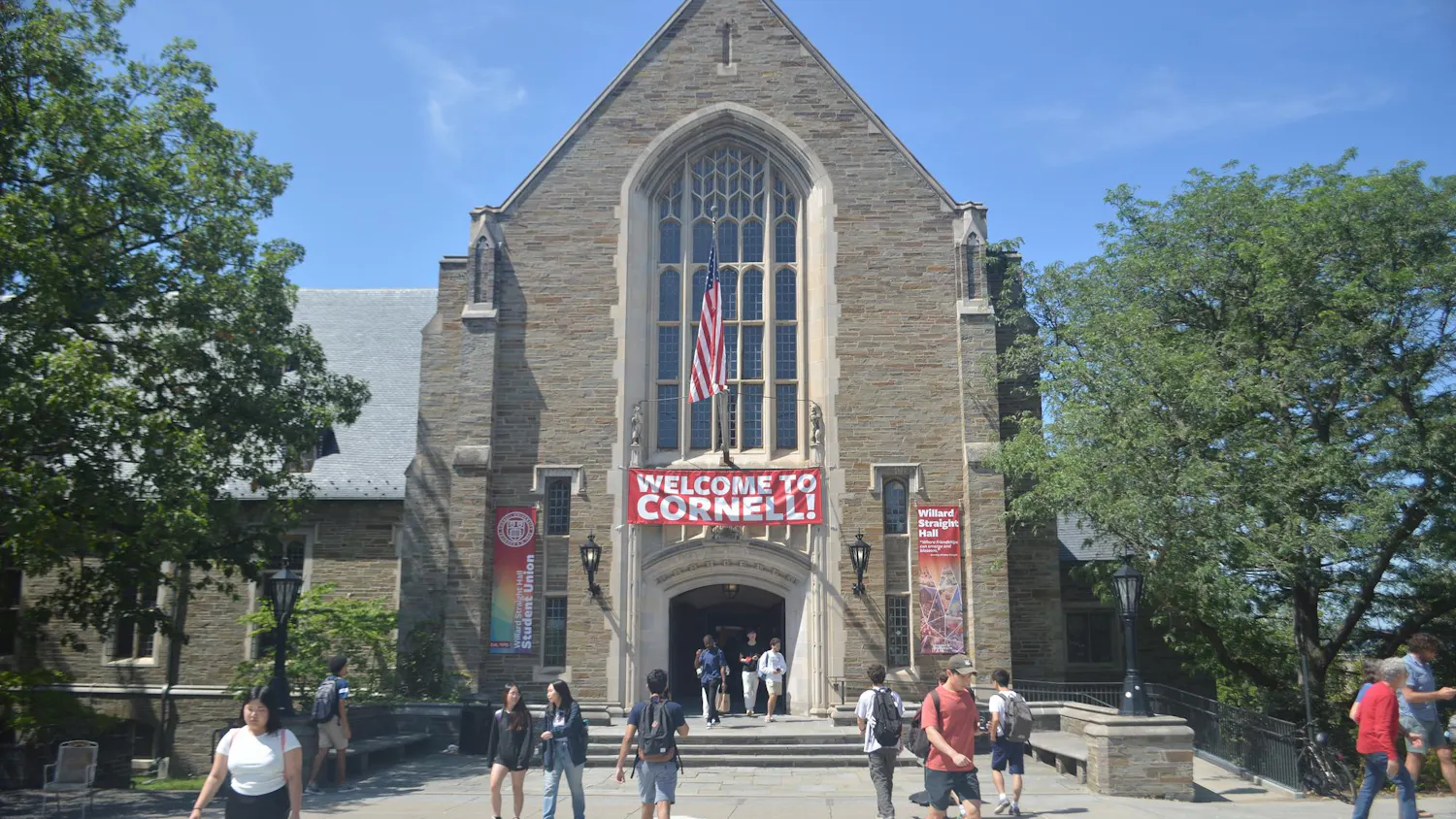
In 2007, after being recruited to Cornell, I was informed by what I interpret as a well-meaning member of our department, that I was at the edge of the department, my work with ‘American Indians’ does not fit in, and they are suspicious of me because I have Muslim heritage.
While painful to digest, his observation bore itself out. Similar gossip euphemistically termed ‘hallway conversations’ about an African American colleague had the same effect of diminishing the value of a human being. Instead of focusing on their scholarly achievements, a leader in the department chose to gossip about the fact that this individual had in their youth been a cheerleader for an NFL football team. Isn’t dance a universal form of self-expression? It also makes us vulnerable because people are watching. Isn’t collaborative dance co-creation of diversity and unity at the same time? A skill to be celebrated, especially in a land grant institution!
I know of countless deans, doctors, CEOs, as well as religious and political leaders who worked as waiters, bar tenders, bouncers and other laborers in order to pay for their education. We are not entitled. Our work is legal and honest, and we are happy to toil for the rewards we receive.
This story is not about victimhood. Its vocabulary is neither in my culture nor my ethics. I am grateful for the life I have had because it has been thrilling and rewarding. I urge the undergraduate students to leave victimhood to those who have made an industry of it. They unscrupulously use it as a veneer to oppress others. The fact that you are here at Cornell, whether you were directly admitted or transferred, testifies that you refuse to be a victim. Your presence is a witness to your courage and competence.
So returning to ‘talking the walk’, freedom does not arise from wrapping ourselves in the garments of victimhood, but from realizing the power of our own agency. The language of victimhood inhibits our creativity. Working to release oneself from the iron cage and dismantling the social structures of oppression for the next generation is the objective. As my narrative shows, the cruel words of the hegemon will result in painful scars. But as Rumi, the 13th Century Sufi poet, said: “The wound is the place where the light enters you.” We meet darkness with light. From those who have experienced and learned much in life, much is expected!
The Sun is interested in publishing a broad and diverse set of content from the Cornell and greater Ithaca community. We want to hear what you have to say about this topic or any of our pieces. Here are some guidelines on how to submit. And here’s our email: opinion-editor@cornellsun.com.

Karim-Aly Kassam is an opinion columnist and professor in the Department of Natural Resources and the Environment as well as the American Indian and Indigenous Studies Program. His column Difference Matters recenters critical reflection and environmental justice in campus life at a time when people turn away from the painful truth. He can be reached at profkkassam@cornellsun.com.