A Dunkin’ Donuts, Starbucks and College Town Pizza walk into a Collegetown bar — and it’s 2016. The streets are lined with girls in high-rise jeans and boys wearing skinny jeans. Athletic fields occupy the area next to Appel Commons. The 2016 Presidential Election has taken Ithaca and the United States by storm. Anabel’s Grocery is still under construction. “Shut Up and Dance” by Walk the Moon blares as students gather for Slope Day. Ithaca lands on Men’s Journal’s “Best Places to Live” list and Cornell’s Men’s Hockey team suffers its first home-ice defeat by Harvard since 2012.
As I gaze out from the fourth floor lounge of Ruth Bader Ginsburg Hall in 2026, I note the yellowed grass covering the lawns, the students running by and people walking into Appel Commons to grab an early dinner. The sky is overcast, casting a dark hue over campus and emphasizing the gray color of the concrete paths cutting through the patches of grass. I see the mundanity of campus life: Two students walking side by side with their heads down and hands in their pockets, leisurely strolling back to their dorms; two students walking in separate directions, stopping to say hi to each other before going their separate ways.
With a recent spike in discourse about how great life was in 2016, I’ve wondered: If I had been sitting in this exact spot in 2016, what would I see? Would I see laughter on people’s faces rather than vacant gazes? Would the lounge be illuminated with sunlight rather than shadowed by clouds?
If I had been sitting in this exact spot in 2016, I would have been sitting on a patch of grass rather than a couch, as the North Campus Residential Expansion project had not yet been created, and RBG Hall did not exist. If I had to wager, I would say that I would be greeted with a similar atmosphere if I had been a student here 10 years ago. It is much easier for people to romanticize a past they weren’t a part of rather than glamorize the life they’re currently living. Perhaps in 10 years, Cornellians will be lamenting about how amazing and simple life was in 2026.
That is not to say, however, that the Cornell campus and the greater Ithaca community have not undergone changes in the past 10 years. While the roads may look relatively similar, the shops in Collegetown have undergone many changes. The storefronts that littered Dryden Road looked considerably different, with now-foreign names like The Nines, College Town Pizza and Aladdin’s adorning the awnings above the buildings.
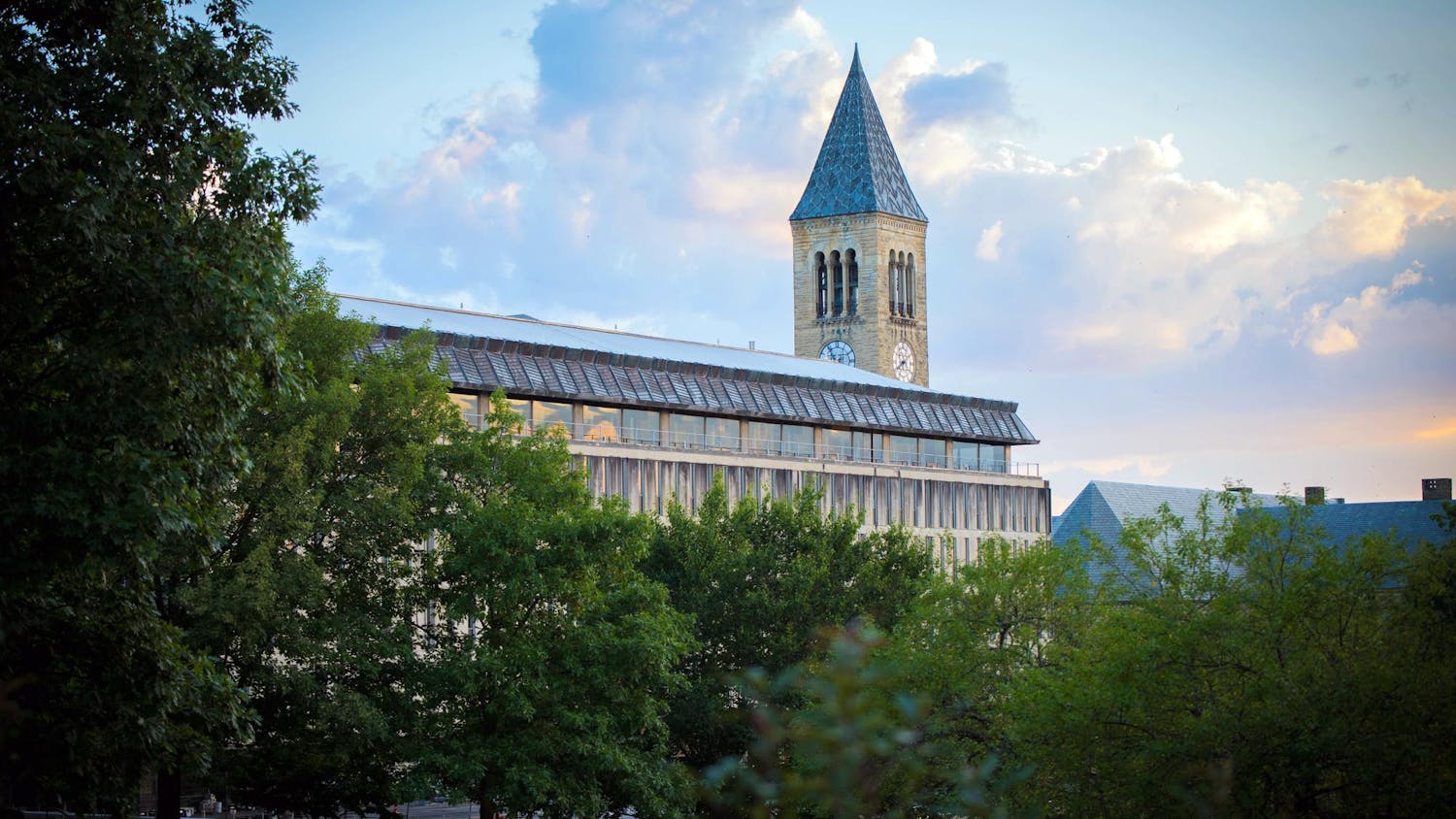
As you trek up the hill to campus, you would be greeted with the view of McGraw Tower with a pyramidal roof made of lead-coated copper sheets. McGraw Hall would be free of any scaffolding and the first floor of Olin Library would lack the central circulation desk and the lit-up call board that currently resides above the stairs leading down to the anthropology section. There would be a noticeable lack of current Cornell staples such as Anabel’s Grocery, Straight from the Market in Willard Straight Hall and the Mui Ho Fine Arts Library. In 2016, students would venture to Dunkin’ Donuts or Starbucks for a sweet treat after a tough final exam, rather than to Ninja Chicken and Friends or Qahwah House.
Students could do their shopping at Urban Outfitters, just a TCAT ride away, rather than traveling miles to TJ Maxx or Kohl’s. Students did their grocery shopping at Wegmans, with Trader Joe’s not yet an option. The franchises may have changed but it’s the same core ideas: dining out to escape the repetitive dining hall meals, going shopping for clothes and grocery shopping off campus.
While there have been considerable changes to the Cornell campus and Collegetown in the span of 10 years, the complaints and conversations flooding our community have not changed. In 2016, students still spent long hours in the library, making the trek to the Cocktail Lounge after midnight during peak prelim season. There were surely still complaints about the arduous hike up the slope for those living on West Campus and the lack of air conditioning in most dorms during early fall and late spring. While some first-year students now choose Novick’s Cafe as their study spot, the atmosphere isn’t much different from the dorm lounges or Robert Purcell Community Center from 10 years ago.
It is easy to romanticize what life was like for the students that came before us, but the truth is that they faced similar trials and tribulations. If any 2026 Cornell student sat across from a 2016 alum, they would surely find multiple things to relate to — the only difference is that the alum would be reminiscing while the current student is still navigating life at Cornell.
Jessi Zheng is a first-year in the College of Agriculture and Life Sciences. She can be reached at jz2423@cornell.edu.