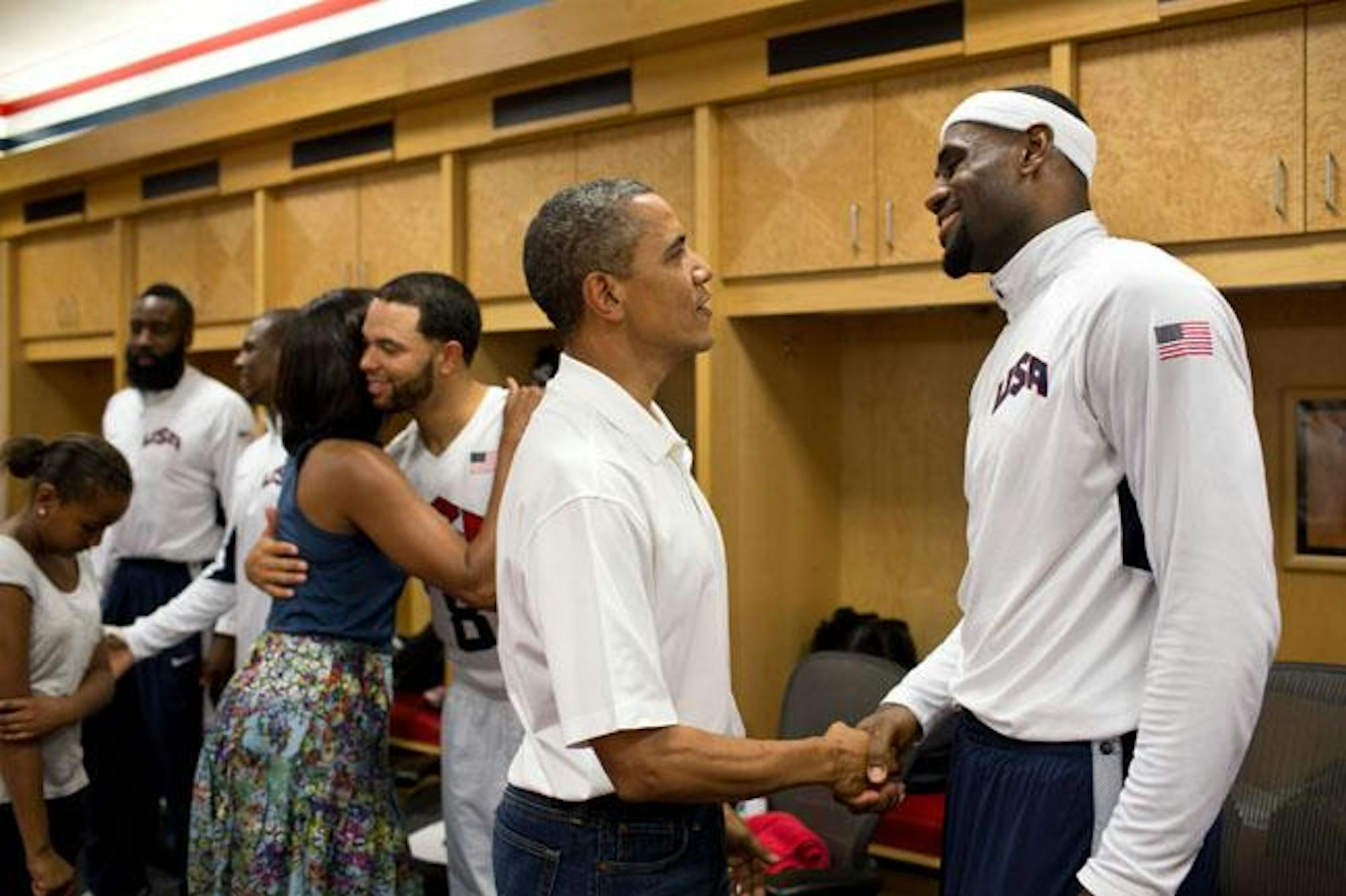
How will this affect LeBron’s legacy? For over a decade, this question has signified LeBron James’ status as one of the greatest NBA players of all time. He’s continued to excel in the league past his physical prime and is a repeat gold-winner at the Olympics, solidifying his status as a world-famous athlete and philanthropist.
But when asked a question, on Feb. 15, about visiting Israel, he responded, “I’ve never been over there, but I’ve heard nothing but great things.” So how does this affect LeBron’s legacy? The International Criminal Court has issued a warrant for the arrest of Israeli Prime Minister Benjamin Netanyahu for war crimes, and the United Nations has formally declared that a genocide is being conducted in Gaza. Given the controversial nature of the conflict, one would think a man as media savvy as LeBron James would try to sidestep the question entirely. The incident sheds light on the important question of the value of holding athletes and celebrities like James accountable for what they say and do.
However, this phenomenon isn’t limited to James. Earlier in February, it was made public that Stephen Curry was an investor in two Israeli-owned cybersecurity and defense startups, Upwind and Zafran Security respectively, whose CEOs are both veterans of the Israel Defense Forces. Similarly, Kevin Durant invested in Skydio in 2020, a surveillance drone company which has since supplied the IDF during their genocide in Gaza. This became relevant again as direct messages with his alleged burner account on X (formerly Twitter) were leaked in what his fans have called, “the KD Files.” While apparently disparaging his former teammates on this private account, he publicly tried to dismiss the consequences of his actions at the beginning of the decade. Again, with Israel’s involvement in global affairs becoming a more salient topic, such decisions come off as bold choices reflecting Curry and Durant’s politics. But one doesn’t need to associate with the IDF in order to make headlines for bad reasons.
Even outside geopolitics, the volatility of celebrity reputation is striking. On Feb. 16, a video of Michael Jordan touching Tyler Reddick’s son’s backside and leg went viral on social media. He was pinching the child’s shirt and rubbing his leg, an act which many found inappropriate, although the boy’s father has since spoken up and said Jordan was simply wiping ice off of him. While that is reassuring, it cements the idea that we as a society need to reconsider how much trust and value we give to these celebrities. Even though Jordan’s actions were misunderstood, it illustrates the parasocial relationships many have with celebrities they look up to. With their values and intentions obscured, scandals like these may end up being legitimate and not an unfortunate miscommunication.
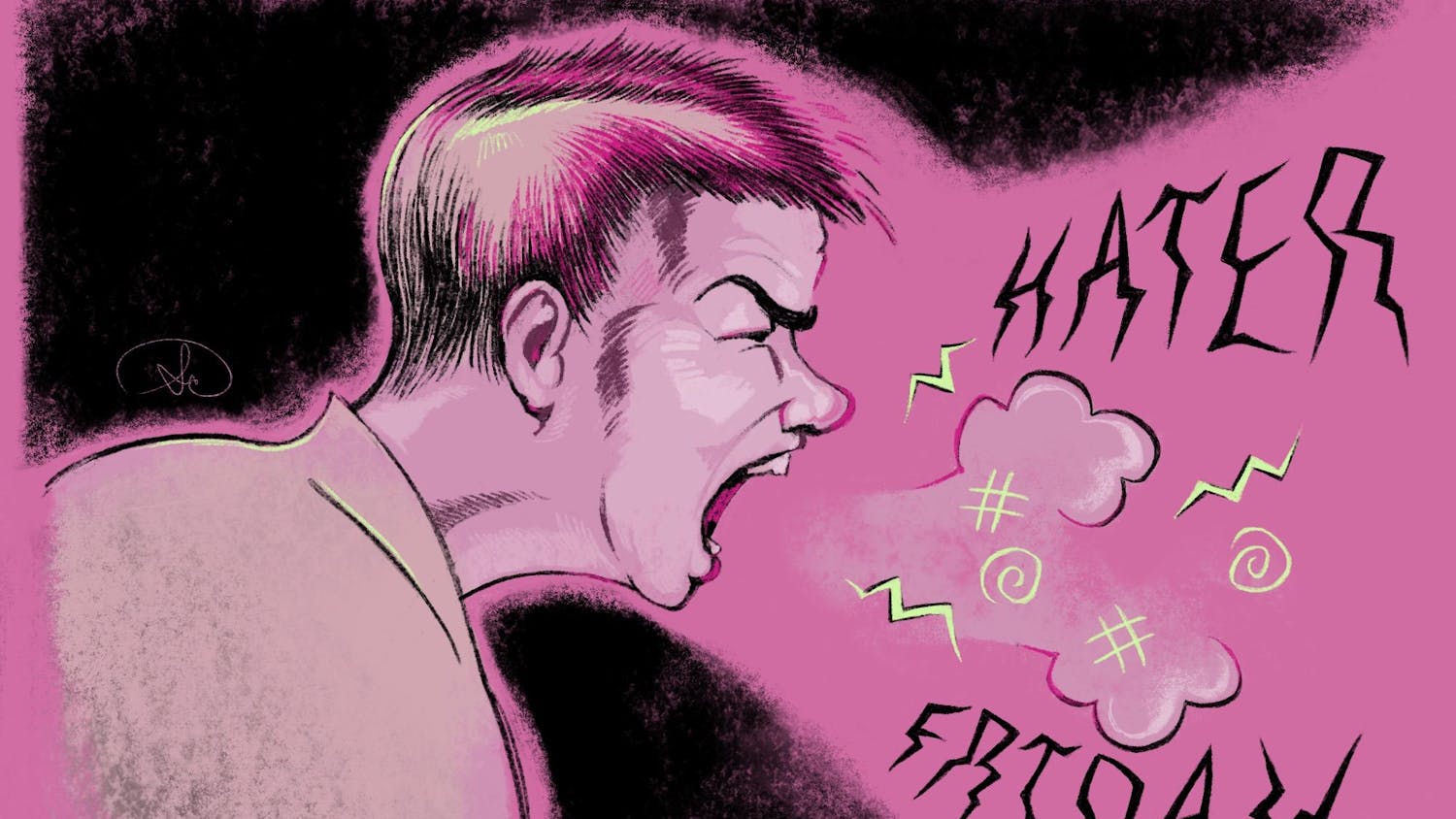
Moreover, if the conversation regarding the ‘GOAT’ of basketball can change at such a whim, with all four of these NBA stars supposedly becoming defunct candidates, what is the point of holding them on such a pedestal in the first place? Of course, athletes of all sorts are and should continue to be rewarded for their accomplishments. Yet, when the U.S. Men’s Hockey team was found laughing about their female counterparts, their gold medal became tarnished. Despite losing respect from the public, their massive accomplishment still garners them a platform, a phenomenon which similarly seems to affect celebrities. For example, even though J.K Rowling lost a significant amount of popularity for her anti-trans rhetoric, Harry Potter is still getting a brand new television series at HBO. While it is possible for career-ending incidents to occur, they often still retain a platform through infamy and controversy rather than vanishing entirely.
For instance, despite Ye (formerly Kanye West) going on an antisemitic tirade for several years, many still praise his music, claiming the need to separate the art from the artist. So, with his music still being widely listened to, Ye is still granted a platform. To some, that makes sense; after all, he made “Graduation.” Despite the prevalence of a strong cancel culture only a few years ago, celebrities with powerful and far-reaching voices, including those like LeBron James and Steph Curry, don’t seem to be all too considerate of their impressionable audiences.
Of course, there are those like Leonardo DiCaprio, Pedro Pascal and Mark Ruffalo who are consistently speaking out against injustices in our society, but such are few and far between. It reveals a glaring issue with idolization and the concept of legacies being based solely on one’s talent without taking into account their morality. A cycle begins, starting with public worship, followed by reckless action and finished with little to no repercussions. If we continue to immortalize people, who in the end are fallible, then we only end up perpetually furthering harmful ideas. The concept of a legacy needs to be reassessed, for its fundamental flaws have paved a path which does not necessarily uplift others in their pursuit of greatness, but rather gives such celebrities an escape from the consequences of the real world.
Aarav Bavishi is a member of the Class of 2029 in the Brooks School of Public Policy. He is a contributor for the Arts & Culture department and can be reached at arb438@cornell.edu.