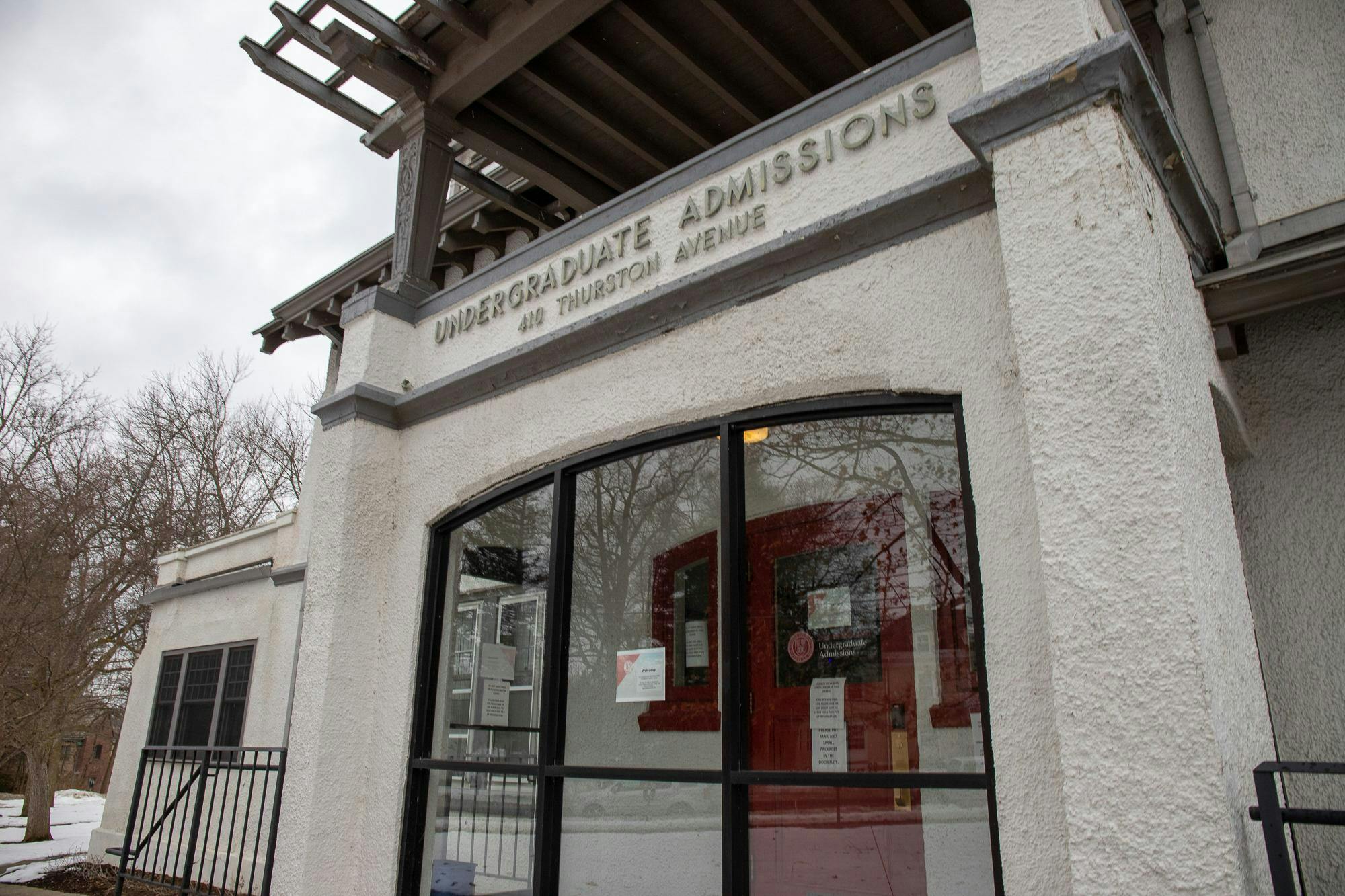
Black, Hispanic and Indigenous enrollment at Cornell has fallen to its lowest level since the Supreme Court struck down race-conscious college admissions in June 2023, according to newly released University data. The latest figure leaves BHI representation 11.3% below its pre-ruling level, a decline of nearly 45%.
BHI students, who are grouped together in the data report, represent 14% of the 3,681 first-year students expected to make up the Class of 2030, down from 17.9% in the Class of 2029.
Hispanic students account for 8.9% and Black students 3.4% of this year’s expected class. Another 1.6% are multiracial students identifying as Black and/or Indigenous. Two students — 0.1% of total expected enrollment — are American Indian.
“With every incoming class, fluctuations in the overall composition are to be expected,” wrote Pamela Tan, director of undergraduate admissions, in a statement to The Sun.
67% of first-year students are Asian and/or white, with Asian students comprising 30.6% and white students 31%. Multiracial Asian and white students constitute the remaining 5.4%.International students are grouped separately, regardless of race, and make up 10.2% of the expected Class of 2030.
The figure represents a reversal of last year’s partial rebound in BHI enrollment. BHI enrollment fell from 25.3% in the Class of 2027 — the last class admitted before the Supreme Court’s 2023 affirmative-action ruling — to 15.6% in the Class of 2028, before recovering to 18% last year.
Cornell acknowledged an “overall decline in the racial diversity” of its first class admitted after the ruling, when Black and Hispanic representation both fell substantially. The University said at the time that the shifts were “not unexpected” following the prohibition on considering race in admissions and that this decline in racial diversity was “similar to many of our peers.”
Black and Indigenous enrollment separately declined by more than 50% each — indicating that both populations have more than halved since 2023. Black enrollment experienced a 53.42% decrease, while Indigenous enrollment experienced a 66.67% decrease.
The preliminary figures also indicate a smaller first-year class than last year. The University expected 3,681 first-years, compared with 3,827 enrolled in the Class of 2029.
Following plans made in 2024, the Class of 2030 is also the first admitted under Cornell’s reinstated standardized testing requirement following its pandemic-era suspension of testing requirements.
Cornell’s own 2024 review acknowledged that standardized test scores correlate with indicators of privilege, but found there was “not a clear indication” that suspending the requirement increased incoming-class diversity.
The review also found that, among surveyed students scoring above 1400 on the SAT, Black students were less likely than white or Asian students to submit their scores, potentially withholding information that could strengthen their applications.
The University noted that the fall figures represent an admissions snapshot taken in late summer and that final enrollment figures will be released at a future date.

Christine Savino is a second-year student in the Cornell Law School. She is a senior writer for the news department and can be reached at csavino@cornellsun.com.